
 English
 Español
 Français
 中文
中文Throughout history, nearly every culture has woven fertility rituals into its spiritual fabric—ceremonies tied to motherhood, creation, abundance, agriculture, the rhythms of the Moon, and the mysteries of the divine feminine. From the banks of the Nile to the groves of Celtic Britain, these practices have honored life's most profound act: the generation of existence itself.
It is essential to understand that fertility rituals are not medical treatments. They do not replace consultation with healthcare professionals, fertility specialists, or evidence-based reproductive medicine. Rather, they are symbolic spiritual practices—acts of intention, hope, and emotional preparation—that many people choose to perform alongside conventional healthcare. They create space for reflection, cultivate emotional resilience, and allow practitioners to engage with the archetypal energies of creation.
Why Fertility Rituals Exist
Fertility is far more than biological function. It is one of the oldest and most powerful symbols in human consciousness: the representation of creation itself, of life force energy flowing into form, of potential becoming reality. Across millennia, fertility has been synonymous with abundance—not only of children, but of crops, prosperity, creativity, and the continuation of lineage and culture.
Ancient civilizations developed elaborate fertility rituals because they understood that conception is as much an emotional and spiritual event as it is a physical one. In Ancient Egypt, women sought the blessings of Isis and Hathor. In Greece, offerings were made to Demeter, goddess of harvest and motherhood. Roman matrons honored Juno Lucina, protector of childbirth. Celtic traditions invoked Brigid, keeper of the hearth and fertility. Folk magic across Europe blended Christian saints with older pagan symbols, creating hybrid practices that endured for centuries.
These rituals served multiple purposes: they channeled anxiety into action, transformed longing into intention, and created a tangible connection with the future child. They reminded practitioners that they were participating in something timeless, something larger than themselves—a cosmic act of co-creation with the divine.
Goddesses Associated with Fertility
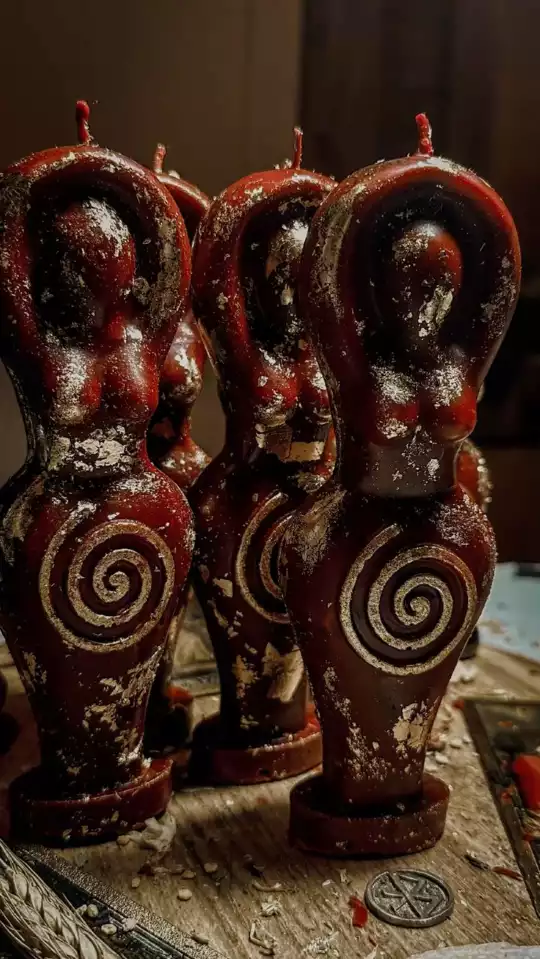
The divine feminine has been personified in countless forms, each representing different aspects of fertility, creation, and motherhood. Understanding these archetypes can deepen your connection to the ritual and help you choose which energies to invoke.
Isis, the great mother of Ancient Egypt, is perhaps the most revered fertility goddess in history. She reassembled the scattered body of Osiris and conceived Horus through magic and devotion. She represents determination, healing, protection, and the triumph of life over death.
Hathor, also Egyptian, governs joy, music, love, and the sensual pleasures of life. She is the golden goddess, associated with the womb, the cow, and the nurturing aspects of motherhood. Her energy is warm, abundant, and life-affirming.
Demeter, Greek goddess of the harvest, embodies the cycles of growth, loss, and renewal. Her myth—the descent and return of Persephone—mirrors the fertility cycle itself: dormancy, planting, gestation, and birth.
Freya, Norse goddess of love, beauty, and fertility, is invoked for passion, vitality, and the courage to embrace change. She is a warrior and a lover, representing the fierce protection mothers feel for their children.
Brigid, Celtic goddess of fire, poetry, and healing, oversees the hearth—the heart of the home. She is the midwife, the keeper of life's threshold, and the guardian of new beginnings.
Aphrodite, Greek goddess of love and beauty, represents desire, attraction, and the creative power of union. She is invoked to bless partnerships and to infuse conception with joy and harmony.
Best Moon Phase for Fertility Magic
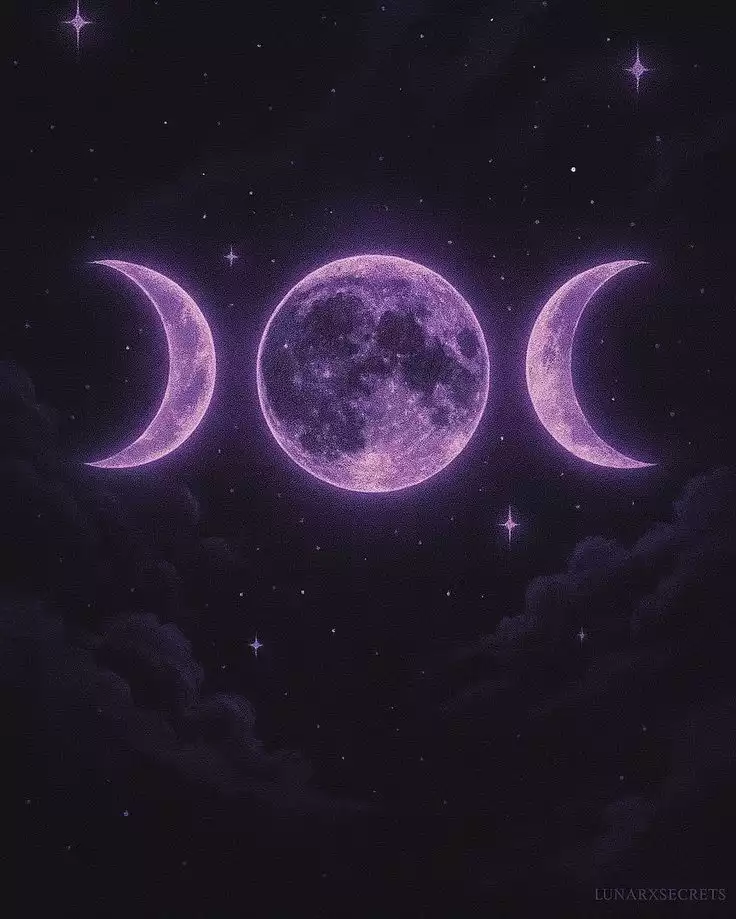
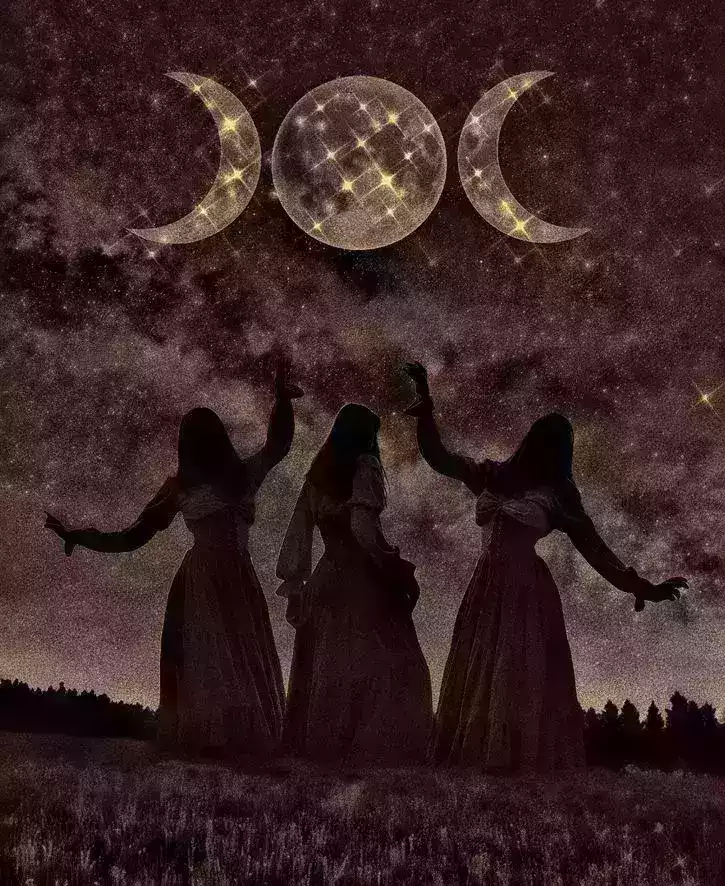
The Moon has been linked to fertility for as long as humans have observed the night sky. Its cycles mirror the menstrual cycle, the tides, and the rhythms of planting and harvest. In fertility witchcraft, timing your ritual according to the Moon's phase can amplify its symbolic power.
The Waxing Moon—the period between the New Moon and the Full Moon—is traditionally the most auspicious time for fertility rituals. This phase represents growth, expansion, and the gathering of energy. Just as the Moon's light increases, so too does the intention for new life to take root and flourish.
The Full Moon is a time of culmination, fullness, and manifestation. It is the peak of lunar energy, symbolizing completion and abundance. Many practitioners perform their fertility ritual on the night of the Full Moon to harness this potent, radiant energy.
Some traditions also honor the New Moon as a time of planting seeds—literal and metaphorical. It is a moment of silence, potential, and the initiation of new cycles.
A Simple Fertility Ritual
This ritual is designed to be accessible, requiring only common household items. It can be performed alone or with a partner, indoors or outdoors, and adapted to suit your personal beliefs and circumstances.
You will need:
- One white candle (symbolizing purity, new beginnings, and the divine)
- One pink candle (symbolizing love, compassion, and the womb)
- Fresh flowers (roses, jasmine, or any blooms that speak to you)
- A small bowl of water (representing the element of water, emotions, and the womb)
- A small crystal, such as moonstone or rose quartz (optional)
- A spoonful of honey (symbolizing sweetness, abundance, and life)
- Paper and pen
Preparation: Choose a quiet evening, ideally during the Waxing or Full Moon. Cleanse your space by opening a window, burning incense, or simply tidying the area. Sit comfortably where you will not be disturbed.
Step 1: Light the white candle. As you do, speak aloud or silently: "I call upon the light of creation, the spark of life, the sacred beginning."
Step 2: Light the pink candle. Say: "I open my heart to love, to nurturing, to the possibility of new life."
Step 3: Place the fresh flowers before you. Flowers are nature's fertility symbols—they bloom, attract, and give life. Touch them gently, acknowledging their beauty and transience.
Step 4: Hold the bowl of water in your hands. Close your eyes and visualize the water as the primordial ocean from which all life emerged. If you have a crystal, place it in the water.
Step 5: On the paper, write a simple affirmation or prayer. For example:
"I welcome new life with love, gratitude, and an open heart. May creation flow freely through me in perfect harmony."
Step 6: Fold the paper and place it beneath the candles. Drizzle a small amount of honey over the paper (or onto a separate dish) as an offering of sweetness and abundance.
Step 7: Sit in silence for several minutes. Breathe deeply. Visualize yourself cradling a child, feeling joy, warmth, and connection. Do not force the image—let it arise naturally.
Step 8: When you feel ready, thank any deities, ancestors, or spiritual forces you have invoked. Extinguish the candles (or let them burn safely). Keep the paper in a safe place, such as under your pillow or in a drawer near your bed.
Repeat this ritual as often as feels meaningful—once a month during the Full Moon, or whenever you need to reconnect with hope and intention.
Optional Herbs for Fertility Symbolism
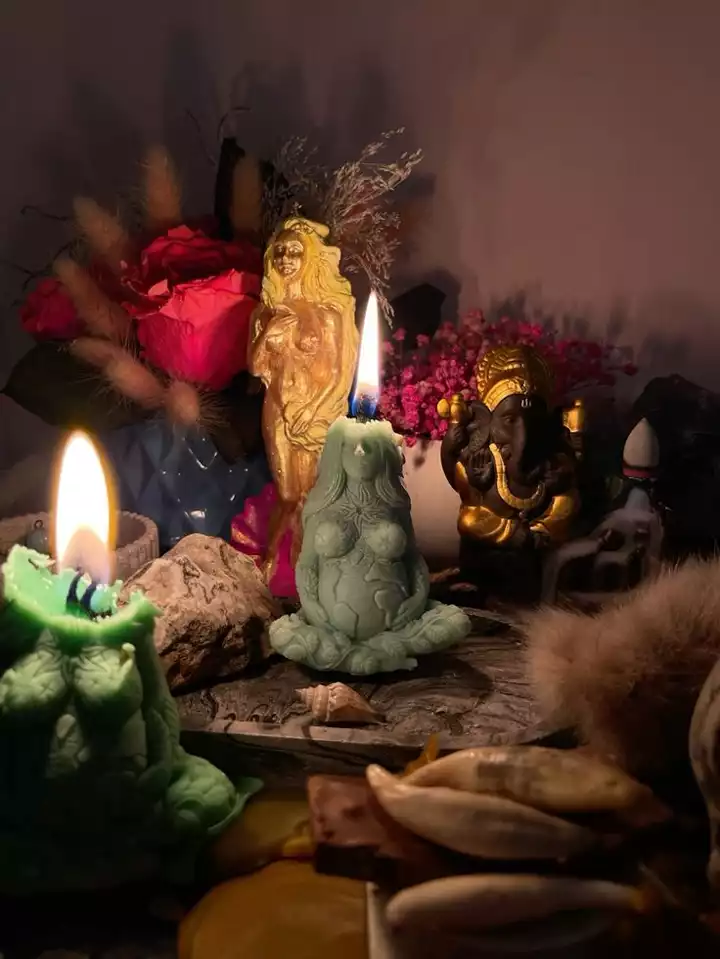
Herbs have long been used in fertility magic, not as medical guarantees, but as symbols rich with associations and folklore. They can be incorporated into ritual baths, sachets, teas (if safe), or simply placed on your altar.
Rose is the queen of flowers, sacred to Aphrodite and Venus. It represents love, beauty, and the unfolding of new life.
Chamomile is gentle, soothing, and associated with the Moon. It calms the spirit and invites peaceful receptivity.
Raspberry leaf has been used for centuries in women's wellness traditions. In fertility witchcraft, it symbolizes feminine strength and preparation.
Jasmine, with its intoxicating scent, is linked to sensuality, attraction, and the mysteries of the night.
Lavender brings peace, balance, and emotional clarity—essential qualities when navigating the emotional landscape of fertility.
Use these herbs with reverence and awareness. They are tools of symbolism, not substitutes for medical advice.
Colors Connected to Fertility Magic
Color is a language of the subconscious. In fertility rituals, specific hues carry symbolic weight and can be used in candles, clothing, altar decorations, or visualizations.
Green is the color of nature, growth, and abundance. It represents the Earth's fertility, the sprouting seed, and the life force itself.
Pink embodies love, compassion, tenderness, and the nurturing aspect of motherhood. It is the color of the heart chakra in its softest expression.
White signifies purity, new beginnings, and the blank canvas upon which life will be written.
Silver is the Moon's color, connected to intuition, cycles, and the feminine mysteries.
Gold represents the Sun, vitality, life force, and the divine spark that animates all things.
Crystals for Fertility Energy
Crystals are not magical cures, but they serve as focal points for intention and as symbols of the energies we wish to cultivate.
Moonstone is perhaps the most iconic fertility crystal. Its milky sheen reflects the Moon's cycles and is said to balance hormones and enhance receptivity on a spiritual level.
Rose quartz opens the heart, encourages self-love, and invites gentle, nurturing energy. It is ideal for those seeking emotional healing or connection with a partner.
Carnelian, a warm orange stone, is linked to vitality, courage, and the sacral chakra—the energy center associated with sexuality and creativity.
Green aventurine symbolizes luck, abundance, and the fertile energy of spring. It is a stone of optimism and possibility.
Hold your chosen crystal during meditation, place it on your altar, or carry it with you as a talisman.
Common Questions About Fertility Rituals
Can I perform a fertility ritual for someone else?
Yes, with their explicit permission and awareness. Performing magic on someone without their knowledge is ethically problematic. If a friend or family member is trying to conceive, you can offer to perform a blessing or hold space for them during your own practice.
Can men perform fertility rituals?
Absolutely. Fertility is not solely a female domain. Men can invoke gods such as Pan, Cernunnos, or Osiris, and can participate in rituals that honor partnership, vitality, and co-creation. Fertility rituals performed together can strengthen emotional bonds and shared intention.
How often should the ritual be repeated?
There is no fixed rule. Some practitioners perform fertility rituals monthly, aligned with the Moon or menstrual cycle. Others do so only once, trusting that the intention has been set. Follow your intuition.
Can I combine spiritual practice with fertility treatment?
Yes. Many people find comfort and empowerment in integrating spiritual rituals with medical care. One does not negate the other. Ritual can provide emotional resilience, reduce anxiety, and create a sense of agency during a process that often feels out of one's control.
What if I don't follow a specific religion?
Fertility rituals can be secular, eclectic, or entirely personal. You do not need to worship a goddess or follow a tradition. You can simply light a candle, speak from the heart, and honor the mystery of creation in your own way.
Final Thoughts
Fertility rituals are ultimately about hope. They are acts of courage in the face of uncertainty, expressions of love for a future not yet born, and declarations of faith in life's unfolding. They acknowledge that conception is not purely mechanical—it is emotional, spiritual, and deeply human.
Whether or not a ritual results in pregnancy, it serves a purpose. It creates space for grief, for longing, for patience, and for connection. It allows you to participate actively in your journey, rather than passively waiting. It honors the sacred feminine within and around you, and it plants a seed—not in the womb, but in the soul.
Approach your fertility ritual with sincerity, tenderness, and self-compassion. Take care of your physical health, seek support when needed, and remember that you are part of an ancient lineage of those who have hoped, prayed, and called new life into being. You are not alone. The Moon watches. The goddesses listen. And the energy you send forth into the universe is never wasted.
May your path be gentle, your heart be open, and your spirit be filled with the quiet, radiant certainty that all things unfold in their own sacred time.
Comments
No comments yet. Be the first to share your thoughts!
Leave a Comment
Your email address won't be published. Comments are reviewed before being posted.