
 English
 Español
 Français
 中文
中文Love magic has existed across cultures and centuries, woven into the spiritual fabric of human longing. Yet among those who seek its counsel, one question arises with particular frequency: can someone resist a love spell? The inquiry is not merely academic. It reflects a deeper uncertainty about the nature of desire, the boundaries of will, and the mechanisms through which spiritual practice is believed to influence the material world.
Different magical traditions offer different answers. Some hold that emotion cannot be manufactured where no foundation exists. Others suggest that all spiritual work operates within the constraints of circumstance, character, and cosmic timing. What remains consistent across these perspectives is the understanding that love spells are not mechanisms of coercion, but rather rituals designed to align possibility with intention.
This article examines the variables that practitioners believe influence the effectiveness of love magic, the role of free will in magical workings, and the reasons some rituals appear to yield no visible result. It is written not to promise certainty, but to illuminate the landscape of belief and practice surrounding one of the oldest forms of spiritual intervention.
Can Someone Resist a Love Spell?
The question of whether someone can resist a love spell depends largely on how one understands the spell's function. In many traditions, love magic is not conceived as a force that overrides autonomy or manufactures emotion from nothing. Rather, it is understood as a spiritual catalyst—one that works to remove obstacles, heighten existing attraction, or open pathways between two souls that may already be inclined toward one another.
If resistance exists, it is often interpreted not as a conscious rejection of magical influence, but as the presence of incompatible circumstances. Emotional unavailability, deep-seated fear, or a fundamental mismatch in values may create conditions in which even the most carefully crafted ritual struggles to take root. This does not mean the spell has failed in an absolute sense, but that the terrain it seeks to influence is inhospitable.
Some practitioners believe that love spells work best when they align with latent feelings or unresolved connections. In such cases, the spell acts less like a creator of desire and more like a revealer of what was already present beneath the surface. If no such foundation exists, the spell may produce subtle shifts in awareness or openness, but not the dramatic transformation the petitioner hopes for.
It is also worth noting that magical traditions do not operate within a vacuum. They acknowledge that human beings are complex, and that spiritual work must contend with psychological defenses, past trauma, and the unpredictable currents of individual will. To ask whether someone can resist a love spell is, in many ways, to ask whether the conditions for connection are present at all.
What Factors May Influence a Love Spell's Effectiveness?
Practitioners of love magic frequently cite a constellation of factors that may determine whether a spell manifests as hoped. Chief among these is the nature of the pre-existing emotional connection. A spell cast to rekindle affection between former lovers who once shared deep intimacy is believed to have a different trajectory than one intended to ignite passion where none has ever existed.
Timing, too, plays a role. Many traditions hold that spiritual work must harmonize with the natural rhythms of emotion and circumstance. A spell cast during a period of intense grief, anger, or transition may encounter resistance not from the target, but from the emotional weather itself. Patience is often counseled, as is attention to the phases of the moon, the seasons, or other symbolic markers of readiness.
The skill and experience of the practitioner cannot be discounted. A professional love spell, tailored to the nuances of a specific situation, is generally believed to carry greater potency than a generic ritual performed without understanding. Experienced practitioners assess compatibility, emotional receptivity, and spiritual alignment before proceeding, adjusting their methods accordingly.
Emotional openness on the part of both individuals also matters. If one person is deeply guarded, fearful of intimacy, or psychologically resistant to change, the spell may work more slowly or subtly. Conversely, if both parties harbor some degree of mutual interest or unresolved longing, the spell is thought to have fertile ground in which to take root.
Other variables include the type of spell performed, the materials used, the intent behind the working, and the presence of any countervailing spiritual influences. Some traditions also emphasize the importance of the petitioner's own energetic state—clarity of intention, emotional honesty, and genuine hope are believed to strengthen the working.
Does Free Will Affect Love Spells?
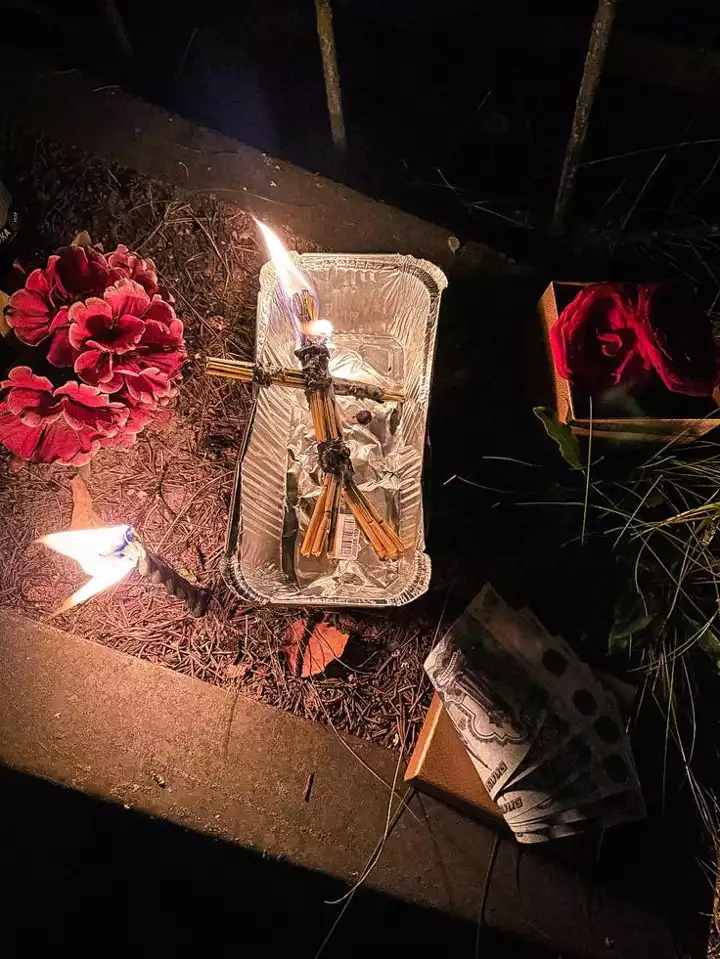
The question of free will is perhaps the most philosophically charged dimension of love magic. Does free will affect love spells, or do spells operate on a plane beyond conscious choice? The answer varies depending on one's cosmology.
In some traditions, free will is considered sacrosanct, and spells are understood to work within its boundaries rather than against them. From this perspective, a love spell does not force someone to act against their nature or desire. Instead, it removes internal blockages, shifts perceptions, or creates opportunities for connection that might otherwise have been overlooked.
Other schools of thought hold that will itself is not monolithic. Beneath the surface of conscious decision-making lies a deeper stratum of subconscious yearning, archetypal attraction, and soul-level recognition. Love magic, in this view, speaks to that deeper layer, encouraging alignment between what the conscious mind resists and what the soul desires.
Still others argue that free will and magical influence are not mutually exclusive. A spell may create conditions favorable to love—synchronicities, heightened awareness, emotional softening—but the individual must still choose to walk through the door that has been opened. In this sense, the spell is an invitation, not a command.
What is clear across traditions is that love spells are rarely depicted as instruments of total control. Even the most powerful love spell is believed to work best when it amplifies something already present, however faint. The notion that someone can resist a love spell is not a failure of magic, but a testament to the complexity of human emotion.
Common Reasons People Believe a Love Spell Didn't Work
When a love spell appears to produce no result, practitioners often point to several recurring issues. One of the most common is unrealistic expectations. Love magic does not typically manifest as sudden, cinematic passion. More often, it unfolds gradually—through small gestures, shifts in mood, or renewed interest over time.
Another frequent issue is insufficient time. Spiritual work operates on its own schedule, which may not align with the petitioner's urgency. A reconciliation spell, for instance, may require weeks or even months to take effect, particularly if deep wounds must heal before reconnection is possible.
Choosing the wrong type of spell is also a factor. A generic attraction spell may not be appropriate for a situation that requires reconciliation magic or a more targeted ritual. This is why professional love spell services often begin with consultation—to ensure the working is suited to the specific circumstances.
Some practitioners also note that a spell may be working in ways not immediately visible. A target may be thinking about the petitioner, experiencing dreams, or softening emotionally without yet making contact. The absence of overt action does not always mean the absence of influence.
Finally, there is the possibility that the situation itself is not conducive to the desired outcome. If the target is in a committed relationship, geographically distant, or emotionally incompatible, the spell may struggle to overcome such obstacles. This does not mean love spells don't work, but rather that they are not omnipotent.
Can Someone Intentionally Block a Love Spell?
The question of whether someone can block a love spell is another area where belief systems diverge. Some traditions hold that certain individuals possess natural spiritual protection—whether through religious practice, ancestral shielding, or simple energetic resilience. In such cases, a spell may encounter resistance not from conscious effort, but from an inherent incompatibility.
Others believe that deliberate spiritual practices—prayer, cleansing rituals, protective amulets—can create barriers to unwanted magical influence. If a person is actively engaged in practices designed to maintain energetic boundaries, a love spell may have difficulty penetrating those defenses.
Emotional distance can also function as a form of resistance. If someone has fully moved on, feels no curiosity or nostalgia, and is deeply invested in a new chapter of life, the emotional ground may be too barren for a love spell to cultivate. In this sense, the "block" is not mystical but psychological.
It is worth noting, however, that most love magic is not designed to force unwilling participation. Rather, it seeks to reveal or rekindle latent feelings. If such feelings do not exist, the spell may simply have nothing to work with. This is why relationship reconciliation spells are often more effective than attempts to create attraction from whole cloth.
Can a Professional Love Spell Increase the Chances of Success?
Experience matters in all forms of spiritual practice, and love magic is no exception. A professional love spell is typically customized to the individual situation, taking into account the history between the two people, their current emotional states, and the specific outcome desired. This level of personalization is difficult to achieve with generic rituals found online.
Experienced practitioners also bring knowledge of timing, correspondences, and symbolic amplification. They understand which herbs, oils, candles, and incantations align with particular intentions. They may incorporate planetary hours, lunar phases, or other astrological considerations to enhance the working's potency.
Moreover, a professional approaches the work with clarity and detachment, qualities that strengthen magical effectiveness. Emotional desperation or attachment to outcome can cloud a ritual's energy. A skilled practitioner maintains the necessary focus and neutrality to allow the spell to unfold as it will.
This is not to say that self-performed rituals are without value. Many people report success with personal love spells, particularly when they invest time in study and preparation. But for those seeking the strongest love spell possible, consulting an experienced practitioner is often advisable.
Patience and Realistic Expectations
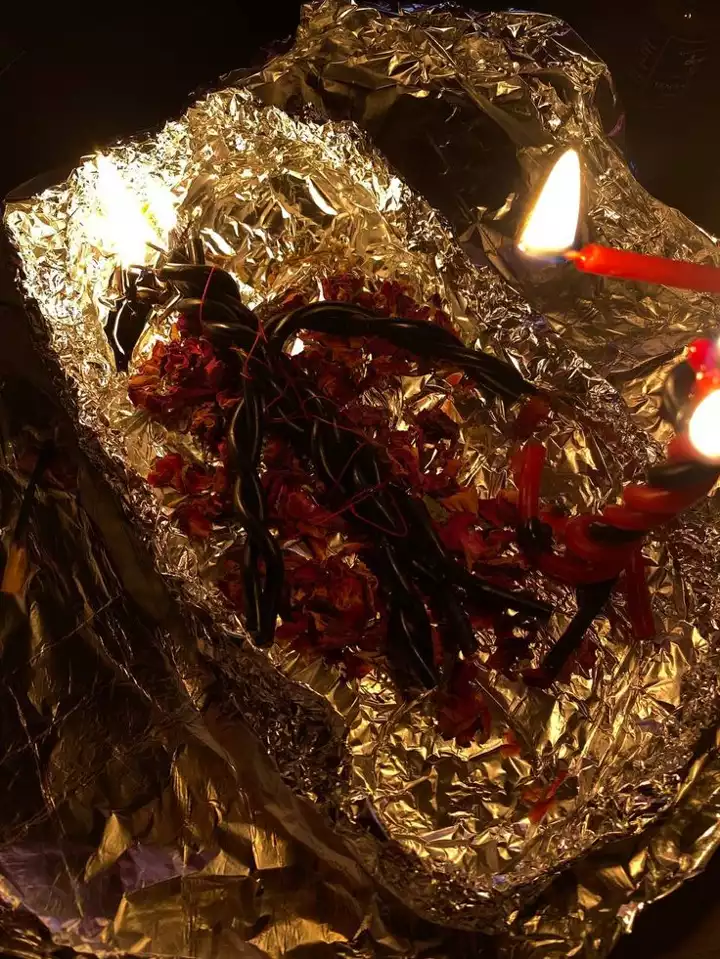
One of the most important teachings within love magic is the necessity of patience. Spiritual work does not operate on demand. It moves through invisible channels, influenced by timing, circumstance, and the subtle shifts of human emotion. Expecting immediate, dramatic results is a common source of disappointment.
Practitioners often counsel that a spell should be given at least several weeks—sometimes months—to manifest. During this period, the petitioner is encouraged to remain open, to notice small changes, and to avoid obsessive monitoring. The watched pot, as the saying goes, does not boil.
Realistic expectations also mean understanding that love spells work with emotional possibilities, not impossibilities. A spell cannot make someone love you if they are fundamentally incompatible with you, nor can it erase years of harm in an instant. What it can do is create openings, soften resistance, and allow dormant feelings to resurface.
This perspective does not diminish the power of love magic. Rather, it situates it within a broader understanding of human relationships as complex, evolving, and subject to forces both seen and unseen. To work with love magic is to work with hope, intention, and the belief that connection—however fragile—can be nurtured.
Conclusion
So, can someone resist a love spell? The answer is neither absolute nor simple. It depends on the nature of the spell, the emotional terrain it seeks to influence, and the myriad factors that shape human connection. Love magic, in most traditions, is not a tool of domination but a practice of alignment—encouraging what is possible, revealing what is hidden, and creating space for what might be.
Whether you are considering a reconciliation spell, seeking to understand why a previous working did not unfold as hoped, or simply exploring the symbolic and spiritual dimensions of love magic, the key is to approach the practice with both hope and humility. No spell, however powerful, can guarantee a specific outcome. But many practitioners and petitioners alike believe that love magic can shift the currents of possibility in meaningful ways.
If you are contemplating professional spell casting services, take time to research, ask questions, and ensure that the practitioner's approach aligns with your values and expectations. And above all, remember that love—whether magical or mundane—requires patience, presence, and a willingness to engage with mystery.
Frequently Asked Questions
Can someone resist a love spell?
Yes, resistance is possible depending on emotional availability, circumstances, and the nature of the existing connection. Love spells are generally believed to work best when they align with latent feelings or unresolved attraction.
Do love spells work on everyone?
No. Effectiveness varies based on compatibility, timing, emotional openness, and the skill of the practitioner. Love magic is not universally effective, nor is it designed to override fundamental incompatibilities.
Can free will stop a love spell?
Many traditions believe love spells work within the boundaries of free will rather than against it. They may encourage openness or remove blockages, but they do not typically force action against someone's core nature.
Why do some love spells appear not to work?
Common reasons include unrealistic expectations, insufficient time, choosing the wrong type of spell, emotional incompatibility, or spiritual resistance. Sometimes a spell is working subtly and has not yet produced visible results.
How long should I wait before judging the results of a love spell?
Most practitioners recommend waiting at least four to six weeks, though some situations may require several months. Patience is essential, as spiritual work unfolds gradually and often in unexpected ways.
Comments
No comments yet. Be the first to share your thoughts!
Leave a Comment
Your email address won't be published. Comments are reviewed before being posted.