
 English
 Español
 Français
 中文
中文During the later Middle Ages, particularly between the 14th and 17th centuries, accusations of demonic pacts became a recurring feature of European religious and judicial discourse. The concept that an individual could enter into a pactum cum diabolo — a formal agreement with a demonic entity in exchange for power, knowledge, or material gain — was treated not as metaphor, but as theological reality within medieval demonology.
Accounts of how demonic pacts were made in Medieval Europe appear primarily in inquisition records, witch trial transcripts, canon law discussions, and demonological treatises. These sources describe structured agreements involving renunciation of Christian sacraments, ritual summoning, and written contracts sealed in blood. Modern historians, however, interpret such narratives as products of religious doctrine, institutional authority, and social anxiety rather than verified occult practice.
Examining how these pacts were described provides insight into medieval beliefs about heresy, spiritual corruption, and the consolidation of ecclesiastical power. The demonic pact functioned not only as a spiritual warning, but as a legal and theological construct embedded deeply within European religious culture.
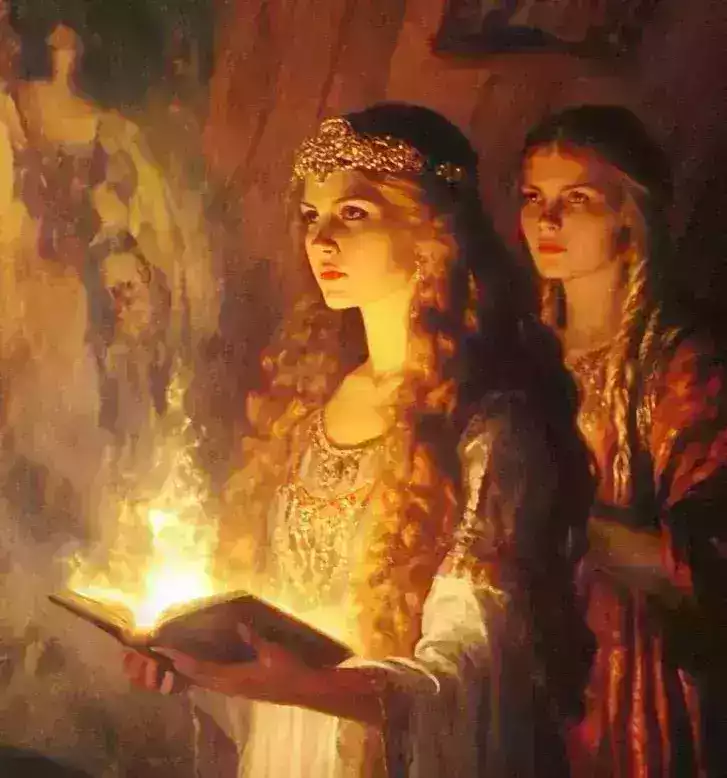
How Demonic Pacts Were Described in Medieval Europe
Throughout Medieval Europe, the idea of entering into a pact with a demon — pactum cum diabolo — occupied a central place in theological discourse, judicial proceedings, and popular imagination. These alleged agreements, in which an individual exchanged loyalty or their soul for material or supernatural benefits, were considered among the most serious forms of heresy.
Rather than serving as evidence of widespread occult practice, accounts of demonic pacts reveal much about medieval demonology, Church authority, and the cultural psychology of fear during the period spanning roughly the 14th to 17th centuries.
The Historical Context of Demonic Pacts
Medieval Christian theology maintained that demons were fallen angels who actively sought to corrupt humanity. Scholastic writers classified pacts into two categories:
-
Explicit pacts (pactum explicitum): A conscious and deliberate agreement with a demonic entity.
-
Implicit pacts (pactum implicitum): Actions interpreted as cooperating with demonic forces, even without a formal contract.
The concept of the demonic pact developed within canon law and theological treatises long before it appeared in widespread witchcraft accusations. By the late Middle Ages, especially during the height of European witch trials, the idea became judicially actionable.
Texts such as the Malleus Maleficarum (1487) formalized descriptions of how such pacts were believed to occur, reinforcing a standardized narrative that appeared repeatedly in inquisition records.
How Medieval Sources Described the Formation of a Pact
Judicial testimonies, confessions extracted under interrogation, and demonological manuals describe a structured sequence of events. It is important to emphasize that these descriptions come primarily from ecclesiastical authorities rather than independent corroboration.
Summoning and Renunciation
Medieval grimoires and trial documents often claimed that the alleged pact began with a ritual act of summoning. These accounts frequently referenced:
-
Remote or liminal locations such as crossroads or forests
-
The drawing of protective or summoning circles
-
Invocation formulas in Latin
-
Symbolic renunciation of baptism or Christian sacraments
Such descriptions reflect the Church’s view that apostasy was a necessary precursor to demonic collaboration.
Negotiation and Exchange
In demonological literature, the pact involved negotiation. The accused were said to request:
-
Wealth or material gain
-
Social influence or political advancement
-
Forbidden knowledge
-
Revenge
-
Sexual favors or romantic control
In exchange, the demon allegedly demanded:
-
The individual’s immortal soul
-
Acts of devotion or service
-
Participation in further acts of sorcery
Some accounts described time-limited agreements lasting several years, after which the soul would be claimed.
The Written Contract in Medieval Belief
One of the most persistent elements in medieval demonology was the notion of a written contract.
Inquisition records and theological writings describe these alleged documents as:
-
Signed in blood
-
Written in Latin or in reverse script
-
Sealed with black wax
-
Marked with demonic sigils
The emphasis on legal formalities mirrored medieval civil contracts, reflecting how deeply legal culture influenced religious imagination.
There is no surviving authenticated example of such a contract. The concept functioned primarily within narrative and judicial frameworks.
Physical Evidence and the “Devil’s Mark”
During European witch trials, inquisitors searched for physical signs believed to confirm a demonic pact. These included:
-
An insensitive mark on the body, known as the Devil’s Mark
-
Scars or blemishes interpreted as ritual seals
-
Unusual spots that did not bleed when pierced
Modern historians widely interpret these examinations as mechanisms of coercion and confirmation bias. Ordinary moles, birthmarks, or scars were frequently classified as supernatural evidence.
The search for bodily proof reinforced theological doctrine while legitimizing judicial prosecution.
Breaking the Alleged Pact
Medieval theology maintained that repentance remained theoretically possible. Church doctrine prescribed:
-
Confession
-
Public renunciation
-
Severe penance
-
Exorcism rites
However, demonological literature frequently warned that demons would resist the loss of a claimed soul, reinforcing the perceived danger of entering such agreements.
This theological narrative served both as moral instruction and deterrent.
The Role of the Inquisition and Witch Trials in Europe
The consolidation of the demonic pact narrative coincided with periods of intensified religious enforcement. The Inquisition and secular courts prosecuted individuals accused of witchcraft, heresy, or sorcery, often relying on confessions obtained under pressure.
By the 15th and 16th centuries, the pact with the devil became a central accusation in European witch trials. Theological writings standardized the belief that all witches had entered into formal agreements with Satan or subordinate demons.
From a modern historical perspective, these accusations functioned as tools of social control within a society structured around religious orthodoxy.
The Legend of Faust and Cultural Transmission
The most enduring literary expression of the demonic pact appears in the Faust legend. Emerging in 16th-century German folklore and later dramatized by writers such as Christopher Marlowe and Johann Wolfgang von Goethe, the Faust narrative crystallized the moral and philosophical dimensions of the pact.
Through literature, the theological concept transformed into a broader cultural symbol representing ambition, transgression, and the cost of knowledge.
Modern Historical Interpretation
Contemporary scholars generally view medieval accounts of demonic pacts as products of theological doctrine, mass hysteria, and institutional authority rather than evidence of systematic occult practice.
The narrative of the pact functioned as:
-
A warning against heresy
-
A reinforcement of ecclesiastical power
-
A legal justification for prosecuting accused witches
-
A symbolic expression of anxiety about autonomy and rebellion
Rather than documenting widespread ritual practice, these accounts reveal how fear of the supernatural intersected with legal structures and religious control.
Conclusion
The idea of the demonic pact shaped medieval demonology and played a central role in European witch trials. While no verifiable evidence confirms the existence of such contracts, the belief in them influenced theology, law, literature, and social order for centuries.
Understanding how demonic pacts were described in medieval Europe provides insight into the psychological and institutional dynamics of the period. It reflects a society in which spiritual transgression was inseparable from legal consequence and where religious authority framed the boundaries of permissible belief.
The pact narrative endured not because of documented ritual practice, but because it expressed enduring human themes: ambition, fear, temptation, and the tension between power and morality.

Comments
No comments yet. Be the first to share your thoughts!
Leave a Comment
Your email address won't be published. Comments are reviewed before being posted.