 English
 Español
 Français
 中文
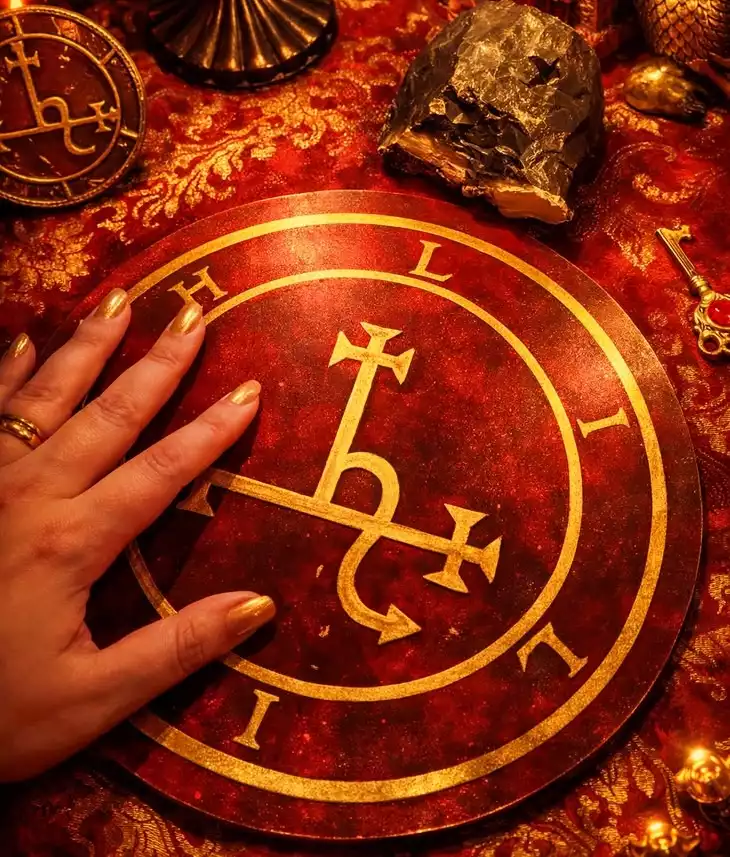
中文Few figures in occult history generate as much fascination as Lilith. Her name appears in ancient Mesopotamian incantations, Jewish folklore, medieval demonology, and modern occult traditions. She is described as a demon, a goddess, a seductress, a destroyer of infants, a liberator of women, and the embodiment of dark feminine energy.
So who is Lilith really?
Understanding Lilith meaning requires separating myth from fear, theology from folklore, and symbolism from superstition. Across centuries, Lilith has evolved from a night spirit into one of the most powerful archetypes in contemporary spiritual practice.
For some, she represents rebellion. For others, sovereignty. For occult practitioners, she represents raw, untamed power
Lilith in Ancient Mesopotamia
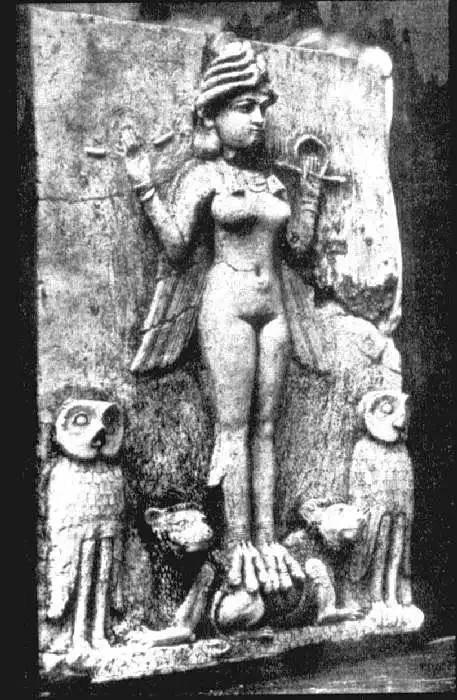
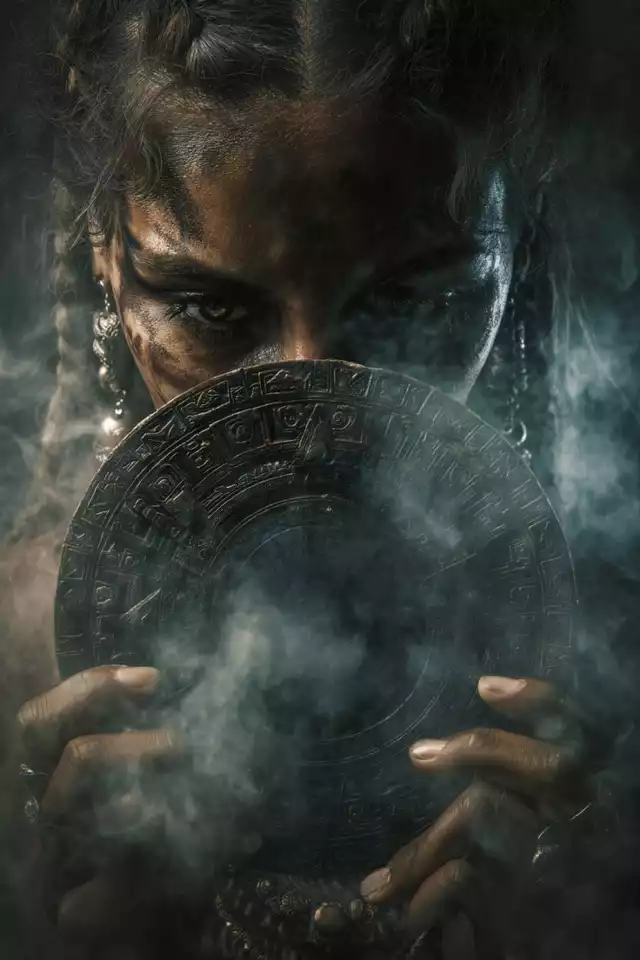
The earliest traces of Lilith mythology appear in ancient Mesopotamia. Tablets from Sumerian and Akkadian cultures mention female night spirits known as lilitu. These entities were associated with wind, storm, sexuality, and nocturnal disturbances.
They were not moral figures. They were forces.
In this early context, Lilith was not yet Adam’s first wife or a biblical rebel. She was a liminal being, operating between worlds. Night, desert winds, illness, seduction, and independence were all attributes connected to her archetype.
This is important because it establishes a pattern: Lilith was always associated with the untamed and the uncontrolled.
Lilith in the Bible and Jewish Folklore
Many people search for Lilith in the Bible. The truth is that her presence there is minimal and debated.
In the Book of Isaiah (34:14), a mysterious creature appears in desolate wilderness imagery. Some translations render it as “screech owl,” others as “night creature.” In Hebrew, the word used is often linked to Lilith.
However, the fuller story emerges later in Jewish folklore, particularly in medieval texts such as the Alphabet of Ben Sira.
According to this legend:
-
Lilith was Adam’s first wife.
-
She refused to submit to him.
-
She spoke the ineffable name of God.
-
She left Eden by choice.
This is where the narrative shifts dramatically. Lilith becomes a symbol of defiance and autonomy. Her refusal to be subordinate transforms her into a demonized figure within patriarchal storytelling.
The transformation from independent woman to child-killing demon reveals more about cultural anxieties than about Lilith herself.
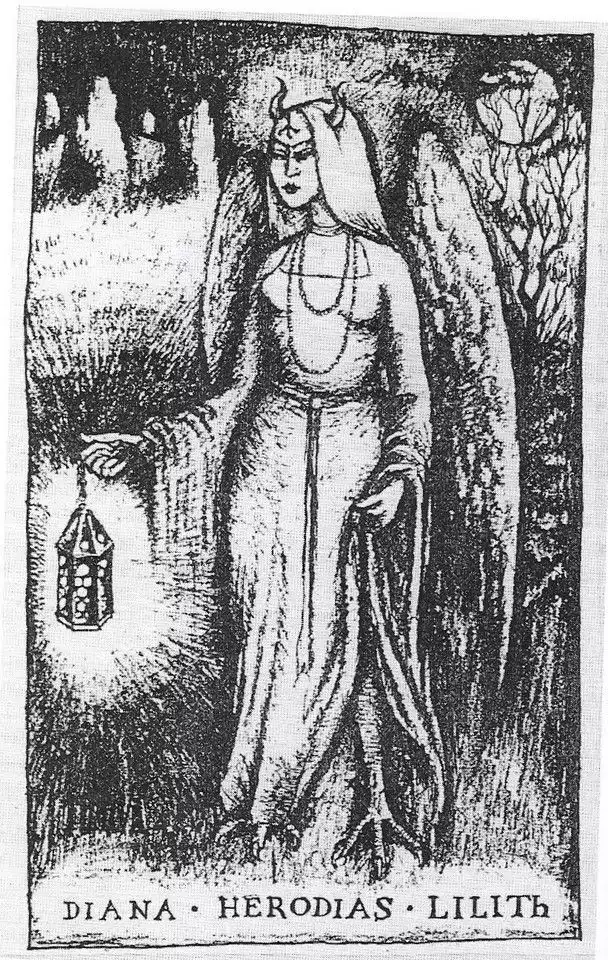
Is Lilith a Demon or a Goddess?
One of the most common questions is: Is Lilith evil or misunderstood?
In medieval demonology, Lilith was categorized as a succubus, a night demon, and the consort of demonic kings. She was associated with seduction, infertility, and spiritual danger.
In modern occult traditions, however, Lilith is often seen as:
-
A dark goddess
-
A spirit of sexual sovereignty
-
An initiatrix
-
A force of liberation
This duality is essential.
Lilith is not a comforting maternal archetype. She does not represent submission or domestic harmony. She represents autonomy, instinct, erotic power, and boundary-breaking.
Whether labeled demon or goddess, her core symbolism remains consistent: she refuses control
Lilith Symbolism
Understanding Lilith symbolism is key to understanding why she remains so influential.
- The Night
Lilith is deeply connected to nocturnal energy. Night represents:
-
The unconscious
-
Sexuality
-
Hidden desires
-
Instinct
-
The shadow self
She governs what society represses.
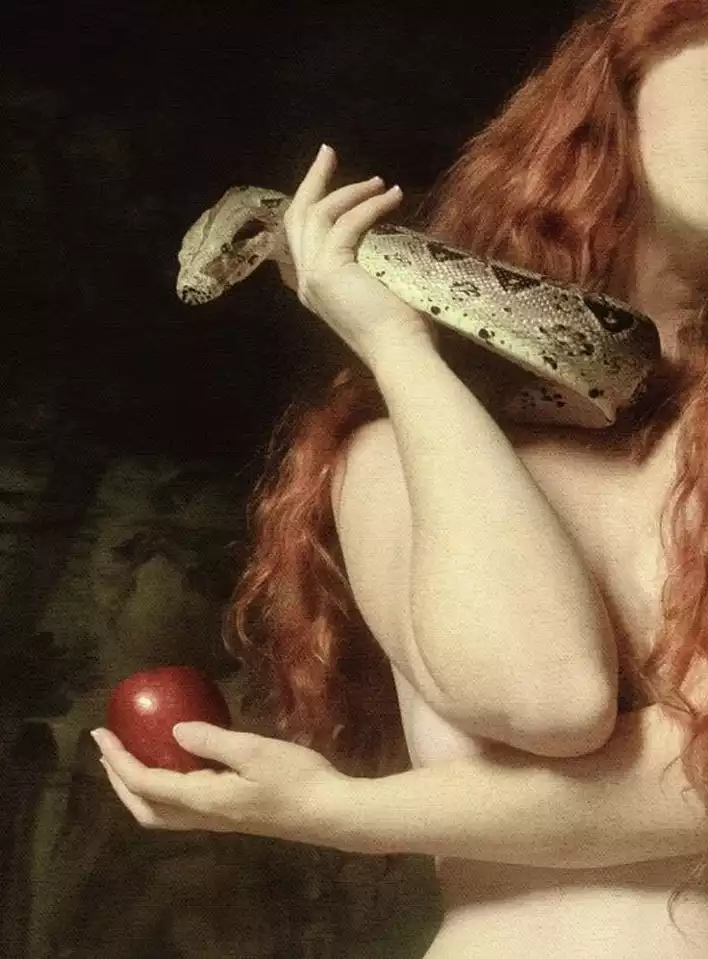
- The Serpent
In some traditions, Lilith is linked to serpentine imagery. The serpent represents:
-
Knowledge
-
Temptation
-
Transformation
-
Awakening
This connection reinforces her association with forbidden wisdom.
- The Desert
The desert symbolizes isolation and self-reliance. Lilith thrives in barren spaces. She does not depend on civilization or structure.
- Sexual Autonomy
Perhaps her most defining trait is sexual independence. Unlike Eve, Lilith does not accept hierarchy. She chooses her partners. She leaves when she wishes.
This symbolism is why she has become a central figure in discussions of dark feminine energy.
Lilith and the Dark Feminine Archetype
Modern spiritual discourse frequently associates Lilith with the dark feminine archetype.
Dark feminine energy does not mean evil. It refers to:
-
Emotional intensity
-
Boundaries
-
Power without apology
-
Refusal to shrink
-
Magnetic sexuality
-
Shadow integration
Lilith represents the part of the psyche that refuses to be silenced.
Psychologically, she embodies:
-
Suppressed anger
-
Reclaimed desire
-
Untamed instinct
-
Sovereignty
For many practitioners, working with Lilith is not about summoning a demon. It is about confronting the parts of oneself that society has labeled unacceptable
Working With Lilith in Modern Occult Practice
Searches for how to connect with Lilith and working with Lilith safely have increased significantly in recent years.
Before approaching any spirit, understanding intent is crucial.
Lilith is not traditionally approached for:
-
Passive blessings
-
Domestic stability
-
Soft nurturing energy
She is approached for:
-
Empowerment
-
Sexual magnetism
-
Protection of autonomy
-
Breaking toxic attachments
-
Shadow work
Signs Lilith Is Calling You
Many people report experiencing what they interpret as signs Lilith is calling them.
Common experiences include:
-
Repeated dreams of serpents or desert landscapes
-
Heightened sensual awareness
-
Sudden desire for autonomy or radical life changes
-
Attraction to red, black, or nocturnal symbolism
-
Strong emotional confrontations with suppressed anger
It is important to approach such experiences rationally. Archetypes can emerge psychologically as part of inner transformation.
Not every fascination is a calling
How to Work With Lilith Safely
If one chooses to engage in spiritual practice involving Lilith, safety involves:
-
Emotional stability
-
Clear boundaries
-
Grounded intention
-
Avoiding obsession
-
Maintaining normal daily functioning
Any spiritual work should enhance autonomy, not diminish it.
Lilith symbolism revolves around sovereignty. If practice creates dependency or fear, something has gone wrong.
Lilith in Contemporary Culture
Lilith appears in:
-
Feminist literature
-
Occult revival movements
-
Astrology (Black Moon Lilith)
-
Gothic aesthetics
-
Esoteric traditions
Her modern resurgence reflects a broader cultural shift toward reclaiming suppressed feminine power.
She is no longer merely a demon of folklore. She has become a psychological and spiritual archetype.
Conclusion: The Enduring Power of Lilith
Lilith meaning cannot be reduced to a single definition.
She is:
-
A Mesopotamian night spirit
-
A figure in Jewish folklore
-
A medieval demon
-
A modern dark goddess
-
A psychological archetype
-
A symbol of rebellion
Her power lies in her refusal to be simplified.
For some, she is dangerous.
For others, liberating.
For many, she is both.
Understanding Lilith requires comfort with paradox.
She does not ask to be worshipped blindly. She asks to be understood.
And perhaps more importantly, she asks to be respected.
Comments
No comments yet. Be the first to share your thoughts!
Leave a Comment
Your email address won't be published. Comments are reviewed before being posted.