
 English
 Español
 Français
 中文
中文The phenomenon of psychic attack represents one of the most persistently documented yet misunderstood aspects of esoteric experience. Throughout human civilization, across continental divides and cultural epochs, communities have recognized the capacity for intentional harm to manifest beyond physical boundaries—through thought, will, ritual action, and concentrated malevolence. What the modern mind dismisses as superstition, the historical record preserves as systematic knowledge: detailed taxonomies of spiritual assault, diagnostic protocols for identifying occult interference, and comprehensive methodologies for curse removal and energetic restoration.
This is not the territory of theatrical mysticism or commercial fear-mongering, but rather a domain where psychology, folklore, ceremonial practice, and metaphysical philosophy converge. The architecture of protection against such forces reveals itself not as a simple formula but as a sophisticated understanding of consciousness, intention, boundary, and symbolic power—knowledge that has been refined through millennia of human engagement with the invisible.
The Historical Cartography of Unseen Assault
Ancient Mesopotamian cuneiform tablets preserve some of humanity's earliest written references to malefic sorcery and the countermeasures required for spiritual defense. The Akkadians distinguished between various forms of supernatural attack—the mamitu (oath-curse), the kišpu (witchcraft), and the asakku (demon affliction)—each requiring specific ritual responses. These were not mere folkloric categories but legal and religious distinctions with practical therapeutic applications administered by specialized priest-exorcists known as āšipu.
Egyptian magical papyri reveal equally sophisticated systems. The concept of heka—divine magic—was understood as a neutral force that could be directed toward healing or harm. Protection spells inscribed on amulets, tomb walls, and ritual implements demonstrate an intricate understanding of symbolic defense: the Eye of Horus as a guardian against the evil eye, the scarab as a regenerative shield, the sa symbol as a protective enclosure. Curse removal in this context involved not simple negation but the invocation of divine authority to restore ma'at—cosmic order—disrupted by malevolent intervention.
Medieval European grimoires such as the Clavicula Salomonis and the Heptameron codified elaborate systems of protection involving planetary hours, angelic hierarchies, consecrated circles, and pentacles of power. These were not arbitrary superstitions but complex symbolic technologies designed to establish spiritual sovereignty—to create bounded space where the operator's will remained inviolate against external psychic interference. The protective circle drawn in ritual became a philosophical statement: a declaration of autonomous consciousness, a temporary cosmos governed by its own laws.
The Architecture of Psychic Violation
Understanding protection requires first comprehending the mechanics of assault. Psychic attack operates through several distinguishable vectors, though these often combine in practice. The most direct form involves concentrated malevolent intention—what occult literature terms "directed thought-form." This requires significant will, focus, and often ritual amplification. The practitioner generates a charged thoughtform imbued with specific hostile intent, then projects it toward the target through visualization, symbolic representation, or ceremonial dispatch.
More subtle is the phenomenon of energetic parasitism—the gradual draining of vitality through sustained attention, emotional manipulation, or psychic cord attachment. This rarely involves conscious malice in the folkloric sense but operates through dynamics of codependency, resentment, obsession, or unresolved relational trauma. The boundary between psychological enmeshment and genuine psychic intrusion grows ambiguous here, suggesting that these categories may describe the same phenomenon from different epistemological positions.
Traditional curse-work represents a third category: formalized ritual operations designed to bind, harm, or afflict. These typically involve sympathetic magic—the manipulation of symbolic proxies (images, personal effects, names) believed to maintain mystical connection with the target. The efficacy of such operations has been debated for centuries, yet their psychological impact remains undeniable. Whether curses function through metaphysical causation, psychosomatic suggestion, or the nocebo effect, their consequences manifest with documented regularity across cultures.
The evil eye—mal de ojo, malocchio, nazar, ayin hara—appears in virtually every traditional culture as perhaps the most universal form of inadvertent psychic harm. This phenomenon suggests that consciousness itself possesses projective capacity, that attention charged with envy, admiration, or intense focus can disturb the energetic equilibrium of its object. Protection against the evil eye has generated an entire material culture: blue beads in Turkey, red threads in Kabbalah, mirrored amulets in India—each reflecting a sophisticated understanding of deflection, reflection, and energetic opacity.
Diagnostic Traditions and Recognition Protocols
Before implementing protection spells or curse removal, traditional practitioners emphasized accurate diagnosis. Italian streghe employed olive oil divination—drops released into water forming patterns interpreted as signatures of spiritual interference. Curanderos in Latin American traditions utilized egg cleansing (limpia de huevo), interpreting formations within the cracked egg as diagnostic evidence of energetic contamination or deliberate curse-work.
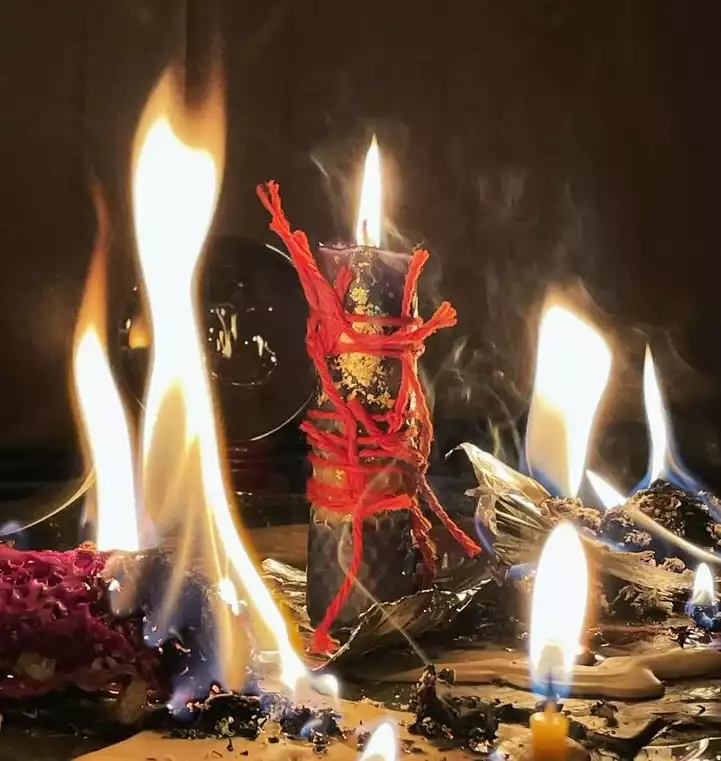
Slavic magical practice preserved methods involving candle flame analysis, lead pouring, and dream incubation specifically designed to identify the source and nature of occult attack. These were not primitive superstitions but systematic observational techniques—empirical methodologies developed through generations of practice and refinement. They operated on the principle that invisible disturbances possess visible signatures, that the subtle realm continuously imprints itself upon material reality in readable patterns.
Contemporary practitioners have adapted these diagnostic frameworks, often incorporating psychological assessment alongside traditional methods. Persistent nightmares featuring specific individuals, unexplained chronic fatigue resistant to medical intervention, patterns of inexplicable misfortune, intrusive thoughts foreign to one's usual mental landscape—these phenomena require careful differentiation between genuine psychic interference, psychological pathology, and mundane causation. Effective curse removal depends upon accurate diagnosis, as misidentified conditions lead to inappropriate interventions.
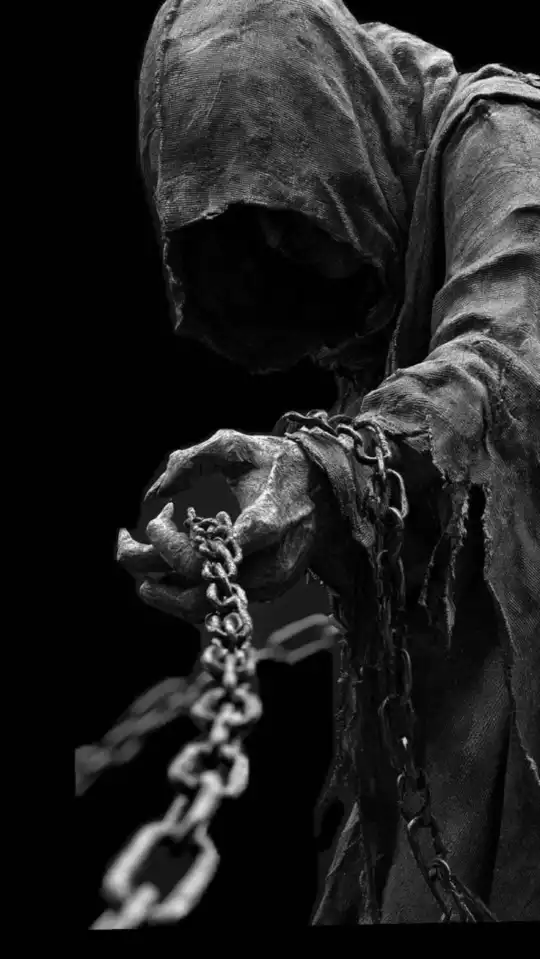
The Philosophical Foundation of Protection
Beneath the diversity of protective techniques lies a coherent metaphysical architecture. All effective protection spells operate through one or more of several fundamental principles: boundary establishment, reflective defense, purification, invocation of superior authority, and energetic opacity.
Boundary work creates a defined perimeter of sovereignty—a zone where external influence diminishes or ceases. The magical circle, the visualized sphere of light, the consecrated threshold, the salt line, the hedge of thorns—these represent variations on a single archetypal operation. They declare psychic territory, establishing a membrane between self and other, insider and outsider, sacred and profane. In psychological terms, this mirrors the essential task of ego boundary formation, suggesting that magical practice and psychological health may reinforce one another through parallel mechanisms.
Reflective defense operates through the principle of return. The mirror becomes both literal tool and operative metaphor—what is projected encounters its own reflection and returns to source. This appears in the strategic placement of mirrors in feng shui, in the mirrored surfaces of protective amulets, in ritual formulas that specifically redirect malevolence back upon its originator. The ethical implications of such practices have generated considerable debate within occult communities: does reflection constitute aggressive retaliation or merely appropriate energetic justice?
Purification addresses contamination rather than active assault. Smoke cleansing with sage, cedar, or palo santo; lustral baths incorporating salt, hyssop, or rue; aspersion with consecrated water—these techniques assume that psychic attack leaves residue, energetic debris requiring deliberate removal. Curse removal frequently begins with such purification, creating a neutral baseline from which protection can be effectively established.
Traditional Methods and Material Technologies
The material culture of protection reveals remarkable cross-cultural convergence. Salt appears universally as a purifying and protective substance—sprinkled across thresholds, dissolved in cleansing baths, cast in circles of containment. Its preservative and desiccating properties translate symbolically into spiritual incorruptibility and hostile desiccation of malevolent forces.
Iron, particularly cold-forged iron, appears throughout European and Middle Eastern traditions as fundamentally inimical to harmful spirits and curse-work. Horseshoes, iron nails, knife blades positioned strategically—these operate on the principle that certain materials possess inherent energetic properties hostile to psychic intrusion. Whether this represents genuine metaphysical truth or powerful symbolic association matters less than its consistent operational effectiveness within traditional contexts.
Plant allies for protection demonstrate bioregional specificity while maintaining functional similarity. Mediterranean cultures favor rue, rosemary, and vervain; Northern European traditions employ rowan, elder, and mugwort; American folk magic privileges angelica, devil's shoestring, and High John the Conqueror root. Each botanical carries specific energetic signature and historical association, yet all serve the common purpose of energetic fortification and curse removal. The preparation matters: plants must often be harvested at specific lunar phases, with appropriate prayer or invocation, and consecrated before deployment.
Amulets and talismans represent condensed symbolic systems—portable protection spells materialized into object form. The Hand of Fatima, the pentacle, the Sator square, the Vegvísir, the Seal of Solomon—each encodes complex metaphysical principles into geometric or iconic form. Their efficacy depends not merely on possession but on consecration, periodic recharging, and the wearer's conscious relationship with the object. A neglected talisman becomes mere jewelry; a properly maintained one serves as anchor point for sustained protective intention.
Ritual Architectures of Defense
Formal protection spells vary enormously in complexity, from simple spoken charms to elaborate ceremonial operations requiring extensive preparation. What they share is structured intention—the deliberate channeling of will through symbolic action toward specific protective outcome.
The Lesser Banishing Ritual of the Pentagram, developed within the Hermetic Order of the Golden Dawn, exemplifies sophisticated ritual protection. Through specific movements, visualizations, and invocations, the practitioner establishes a consecrated sphere of operation, aligns with archangelic guardians of the quarters, and asserts spiritual authority over the working space. Performed daily, it serves both as protection and as regular exercise in focused will—a meditation in motion that reinforces psychic boundaries through repetition and embodied practice.
Simpler folk methods prove equally effective within their cultural contexts. The recitation of Psalm 91 in Jewish and Christian traditions, the Ayat al-Kursi in Islamic practice, the Maha Mrityunjaya mantra in Hinduism—these sacred texts serve as verbal shields, their phonetic and semantic content believed to generate protective fields through repeated invocation. The mechanism operates through multiple channels: the focusing effect of repetitive prayer, the psychological reassurance of divine protection, and (for believers) the genuine presence of spiritual power within sacred language.
Curse removal often requires more aggressive intervention than simple protection. Traditional uncrossing rituals involve symbolic destruction of the curse through burning, breaking, burial, or dissolution. A common African American hoodoo formula involves writing the suspected curse-source on paper, enclosing it with broken glass and red pepper in a bottle, then burying it at a crossroads or throwing it into running water—each element carrying specific symbolic significance. The crossroads represents liminality and decision; running water symbolizes purification and irreversible carrying-away; the broken glass and pepper ensure the curse cannot return.
The Psychology of Energetic Sovereignty
Contemporary depth psychology offers frameworks for understanding protection spells without resorting to either naive literalism or reductive dismissal. From a Jungian perspective, psychic attack might represent intrusion of autonomous complexes—either one's own disowned shadow content or genuine invasion by another's psychological material through mechanisms of projection and unconscious identification.
Protection work in this model becomes an assertion of ego integrity against both internal fragmentation and external contamination. The magical circle mirrors the therapeutic container; the invoked guardian deity resembles the Self archetype; the banished hostile entity correlates with the dissociated complex. This parallel structure suggests that magical practice and psychotherapy may address similar phenomena through different symbolic languages—neither reducible to the other, yet mutually illuminating.
The concept of psychic vampirism finds psychological correlate in narcissistic personality dynamics and codependent relationship patterns. The individual who consistently drains others' energy, who demands constant attention and validation, who cannot tolerate others' autonomous existence—this person enacts psychic parasitism whether or not they possess conscious magical skill. Protection spells in such contexts become psychological boundary-setting ritualized into symbolic form, the magical operation reinforcing and embodying the difficult psychological work of saying "no" to invasive demands.
Contemporary Practice and Adaptation
Modern practitioners navigate a complex landscape where traditional methods encounter contemporary skepticism, where ancient wisdom must prove itself in new contexts. The most effective approach typically involves neither wholesale rejection of tradition nor uncritical acceptance, but rather informed experimentation—testing inherited techniques against personal experience, adapting historical practices to contemporary circumstances while maintaining their essential structure.
Digital technology introduces novel considerations. Can psychic attack occur through electronic media? Does the photograph on a smartphone serve as effective sympathetic link as a printed image? Should protection spells be adapted for online presence and digital identity? These questions lack settled answers, yet practitioners increasingly develop hybrid methods—traditional salt circles combined with firewall software, protective sigils as phone backgrounds, cleansing rituals for digital devices believed to carry energetic contamination.
The ethics of protection, particularly aggressive curse removal that deliberately harms the attacker, generates ongoing debate. Some traditions embrace the principle of justified return—that reflecting attack back upon its source constitutes appropriate defense rather than offensive magic. Others advocate strictly defensive measures that shield without harming, maintaining that adding violence to violence perpetuates cycles of occult warfare. Individual practitioners must navigate these questions according to personal ethics, cultural context, and specific circumstances.
The Cultivation of Inherent Resilience
Beyond specific protective techniques lies a more fundamental consideration: the cultivation of inherent energetic resilience that renders one naturally resistant to psychic interference. This involves regular spiritual practice that strengthens the subtle body, psychological work that integrates shadow material and reduces vulnerability to projection, and lifestyle choices that support robust vitality.
Meditation traditions emphasize the development of witness consciousness—the capacity to observe thought and emotion without identification. This provides natural protection against intrusive energies by creating psychic distance, a space of non-attachment where external influence finds no purchase. Regular meditation practice thus serves as foundational protection work, more essential than any specific spell or amulet.
Energetic hygiene practices—daily cleansing, boundary reinforcement, conscious disengagement from toxic relationships and environments—function as preventive medicine in the psychic realm. Just as physical health depends more on consistent healthy habits than emergency medical intervention, spiritual protection relies primarily on regular maintenance rather than crisis response. The practitioner who daily cleanses their field, regularly reinforces boundaries, and maintains conscious relationships with protective allies rarely faces serious psychic attack—or when they do, possesses the resilience to weather it without significant harm.
The Sovereignty of Consciousness
At its deepest level, protection against psychic attack addresses the fundamental question of consciousness and autonomy. Who am I? Where do my boundaries lie? What authority governs my inner space? These philosophical inquiries manifest practically in the occult technologies of protection and curse removal.
The effective protection spell does not merely erect temporary barriers but declares and reinforces a metaphysical truth: that consciousness possesses inherent sovereignty, that the self constitutes inviolable territory, that will rightly exercised commands authority within its proper domain. This is neither arrogance nor isolation but the assertion of healthy boundaries—the recognition that authentic relationship requires distinct entities, that true community depends on respected individuality.
The history of protection spells reveals humanity's persistent recognition that we are not isolated atoms but nodes in vast fields of influence, susceptible to both beneficial and harmful energies, capable of both receiving and projecting. The wisdom preserved in these traditions offers not paranoid defensiveness but mature acknowledgment of relationship—the understanding that we affect and are affected by others in ways both visible and invisible, and that conscious, skilled navigation of this reality constitutes essential spiritual competence.
Protection work ultimately serves not merely individual safety but the maintenance of right relationship—boundaries that allow authentic connection rather than invasion, sovereignty that enables genuine community rather than isolated defensiveness. In learning to protect ourselves, we learn the architecture of healthy selfhood; in mastering curse removal, we discover how to cleanse relationship of accumulated toxicity; in developing energetic resilience, we cultivate the strength required for authentic engagement with the world and with each other.


Comments
No comments yet. Be the first to share your thoughts!
Leave a Comment
Your email address won't be published. Comments are reviewed before being posted.