
 English
 Español
 Français
 中文
中文The phenomenon of the curse occupies a peculiar position within the architecture of human consciousness—straddling the boundary between mythological inheritance and psychospiritual mechanism. Across civilizations separated by geography and epoch, the notion that words, gestures, or concentrated intention can inflict harm upon another being has persisted with remarkable consistency. To dismiss this as mere superstition is to ignore the substantive testimony of anthropological record and the lived experiences of countless practitioners and victims throughout history. The curse represents not simply a folkloric curiosity, but a fundamental engagement with the invisible structures that govern causality, intention, and energetic consequence.
What distinguishes a curse from ordinary ill will is the ritualized channeling of destructive intention through symbolic frameworks that render abstract malice operationally potent. The curse is architectured harm—designed, directed, and delivered through methods that acknowledge a metaphysical dimension to human agency. Whether one approaches this phenomenon through the lens of psychological suggestion, energetic interference, or genuine spiritual assault, the consequences manifest with disturbing regularity across cultures that maintain active relationships with these practices.
The Architecture of Malevolent Intention
The transformation of thought into tangible consequence forms the foundational mystery of all magical practice, and nowhere is this mechanism more starkly displayed than in the deployment of curses. Traditional systems of magic recognize that consciousness itself possesses a creative dimension—that sustained attention combined with emotional intensity and symbolic focus can impress patterns upon the malleable substrate of reality. The curse exploits this principle for destructive purposes.
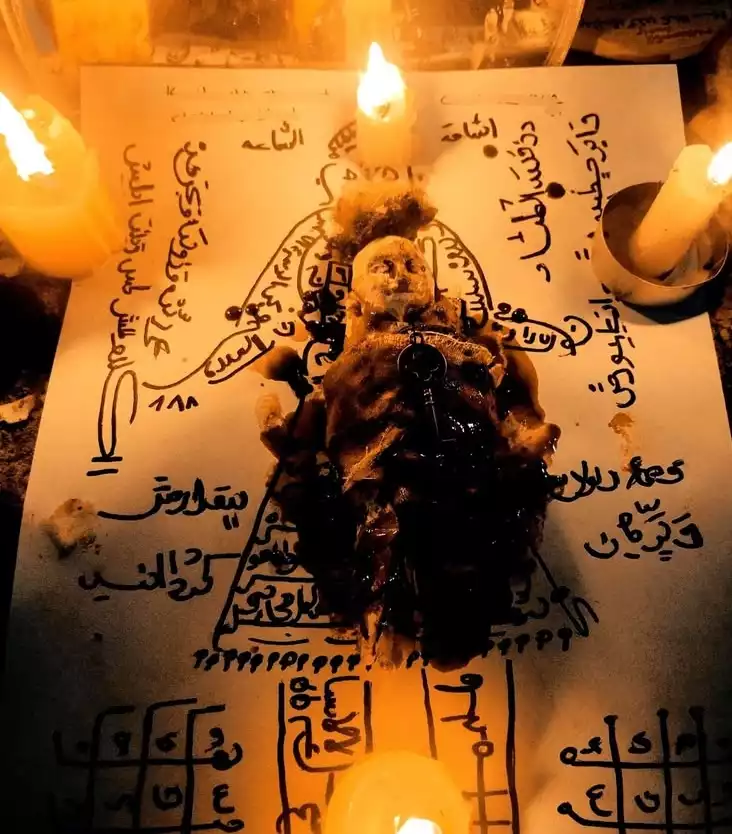
In the grimoire traditions of medieval Europe, curses were often inscribed upon parchment or metal using specific inks prepared during astrologically significant hours. The practitioner understood that the curse required not only verbal formulation but material anchoring—a physical locus through which the malevolent intention could maintain continuity. Similarly, in West African Vodun and its diaspora expressions, cursing often involves the creation of fetish objects that serve as energetic conduits, linking the practitioner's will to the victim's spiritual matrix.
The mechanism through which curses operate has been variously described across traditions. Some conceptual frameworks emphasize the attachment of negative entities or spirits to the victim's energy field, while others describe the curse as creating disruptions in the subtle body—tears or blockages in the flow of vital force. Still others view the curse primarily through a psychological lens, arguing that knowledge of being cursed triggers self-fulfilling prophetic mechanisms that manifest as apparent spiritual attack. The reality likely encompasses elements of each perspective, varying according to the specific methodology employed and the metaphysical sophistication of both practitioner and victim.
Historical Manifestations Across Cultures
The Greco-Roman world maintained an extensive infrastructure for curse work, documented extensively in the archaeological record through defixiones—lead tablets inscribed with curses and deposited in graves, wells, or temples. These artifacts reveal the granular specificity with which ancient practitioners approached the art of malediction. Curses were commissioned against romantic rivals, business competitors, legal adversaries, and chariot racers. The tablets often invoked chthonic deities—Hecate, Hermes Chthonios, the restless dead—entities understood to operate in the liminal spaces between life and death, order and chaos.
What emerges from these historical documents is an understanding that curses were not regarded as abstract psychological phenomena but as concrete spiritual technologies with predictable operational characteristics. The precision of the invocations, the careful attention to timing and material components, the specific deities petitioned—all suggest a worldview in which curse deployment represented a legitimate, if morally ambiguous, exercise of spiritual agency.
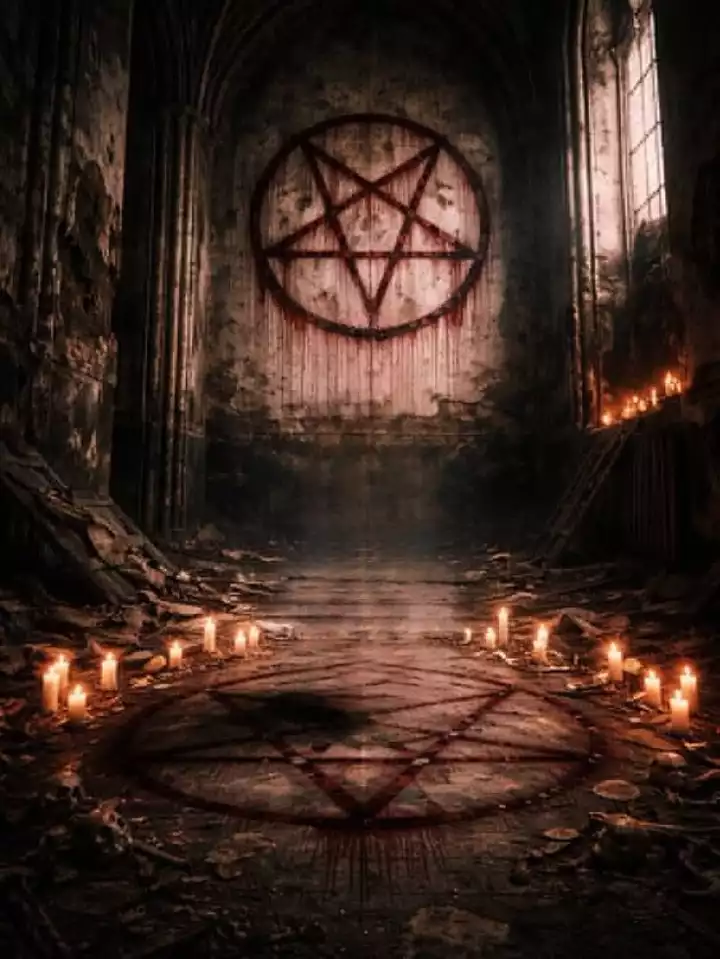
In the Jewish mystical tradition, the concept of the pulsa denura—an Aramaic term meaning "lashes of fire"—represents one of the most severe forms of kabbalistic curse. Reserved for those considered threats to the community or violators of sacred law, this curse allegedly summons destructive angelic forces against its target. The ritual requires a minyan of learned practitioners and is undertaken only under extraordinary circumstances, reflecting the tradition's recognition of the profound spiritual consequences attendant upon such work. The practitioner who invokes pulsa denura assumes tremendous karmic responsibility, as the mechanism set in motion operates with impersonal efficiency once activated.
Indigenous Australian cultures maintain complex protocols surrounding kurdaitcha—ritual curse killings performed by specially designated individuals wearing shoes constructed from feathers and human hair. The victim, upon discovering they have been cursed through this method, often succumbs to the belief in the curse's inevitability. This phenomenon, documented by anthropologists throughout the twentieth century, demonstrates the psychological dimension of curse efficacy—the extent to which belief itself can become a vector for manifestation. Yet to reduce the kurdaitcha solely to psychological suggestion ignores the extensive preparatory rituals and the accumulated spiritual authority invested in the practice over generations.
The Energetic Anatomy of Cursed States
Those who work professionally in curse removal report consistent symptom clusters that transcend cultural boundaries. Victims describe persistent sensations of being watched or followed, chronic exhaustion despite adequate rest, a sudden cascade of misfortunes in multiple life domains, disrupted sleep accompanied by vivid nightmares, and a pervasive sense of heaviness or constriction. From an energetic perspective, these symptoms suggest interference with the subtle body—the network of energy channels and centers described variously as chakras, meridians, or luminous fibers depending upon the tradition consulted.
The curse appears to function by creating energetic adhesions or blockages that prevent the normal circulation of vital force. In traditional Chinese medicine, this might be understood as severe qi stagnation; in the Andean tradition, as hucha accumulation—heavy energy that weighs down the poq'po or energy bubble. The specific mechanism matters less than recognizing that curse work operates through interference with the invisible architecture that maintains health, coherence, and forward momentum in an individual's life.
Prolonged exposure to curse energy can produce measurable psychological effects beyond the initial spiritual disruption. Depression, anxiety, paranoia, and relationship deterioration commonly accompany cursed states, creating secondary layers of suffering that compound the original affliction. This cascade effect explains why curse removal often requires not only spiritual cleansing but therapeutic support to address the psychological trauma accumulated during the period of affliction.
The Practitioner's Dilemma: Moral Consequences of Curse Work
Esoteric traditions consistently warn that curse work exacts a price from the practitioner, regardless of the perceived justice of the curse's deployment. The principle of magical rebound—variably termed the threefold law, karmic consequence, or spiritual blowback—suggests that directing destructive energy inevitably creates turbulence in the practitioner's own spiritual matrix. Some traditions maintain that this consequence is automatic and impersonal, a function of how energy moves through consciousness. Others emphasize divine judgment, arguing that higher powers exact retribution for magical harm regardless of circumstantial justification.
The grimoire tradition acknowledges this danger explicitly, often including elaborate protection spells within the same texts that provide cursing formulas. The practitioner must shield themselves not only from the revenge of their victim but from the intrinsic backlash generated by channeling destructive forces. This requirement for self-protection reveals an important truth about curse work: it represents a compact with dangerous powers that do not discriminate cleanly between wielder and target.
Experienced practitioners occasionally speak of a "curse debt"—a cumulative spiritual burden that accrues through repeated engagement with malevolent magic. This debt manifests as increasing difficulty in maintaining relationships, progressive isolation, health deterioration, and a gradual narrowing of consciousness into paranoid or obsessive patterns. The practitioner who specializes in curse work may become energetically aligned with the very forces they manipulate, gradually transforming into what they traffic with.
Protection Spells: Architecture of Spiritual Defense
The development of protection spells represents humanity's response to the threat of spiritual attack, and these defensive technologies appear with equal antiquity to offensive curse work. Protection operates through distinct mechanisms—some create energetic barriers that deflect incoming harm, others establish spiritual alliances with protective entities, still others employ reflective techniques that return curse energy to its sender. The sophistication of protective magic across cultures suggests an accumulated wisdom regarding the nature of spiritual vulnerability and the most effective countermeasures.
The evil eye—belief in which extends from Mediterranean Europe through the Middle East to South Asia—generated one of the most widespread protective symbol systems in human culture. The nazar, hamsa, and cornicello all function as apotropaic devices, designed to intercept envious or malevolent gazes before they can penetrate the target's energy field. These talismans operate through both psychological and energetic mechanisms: they remind the wearer to maintain vigilance while simultaneously creating a symbolic barrier recognized by the collective unconscious.
Western ceremonial magic developed elaborate systems of pentacle construction, circle casting, and angelic invocation designed to establish protected space within which the magician could operate safely. The Lesser Banishing Ritual of the Pentagram, originating in the Golden Dawn tradition, provides a portable method for clearing negative energies and establishing a protective perimeter. Practiced daily, such rituals condition the energy field to maintain integrity and resilience against intrusion.
In the African diaspora traditions, spiritual baths prepared with specific herbs, salts, and prayers serve as primary protective technologies. These baths operate by cleansing the energy field of accumulated negativity while establishing a fresh layer of protective essence. The repetitive nature of bath work—often prescribed in sets of three, seven, or nine—acknowledges that protection requires maintenance, not merely one-time application. The spiritual body, like the physical, requires regular cleansing to maintain optimal function.

Curse Removal: Methodologies of Restoration
When prevention fails and curse energy has successfully attached to an individual, removal requires more intensive intervention than simple protective maintenance. Curse removal methodologies vary considerably across traditions but share common structural elements: diagnosis of the curse type and origin, breaking of the energetic link between curse and victim, cleansing of accumulated negative energy, restoration of the victim's natural energetic flow, and establishment of protective protocols to prevent recurrence.
Traditional European folk magic employed the technique of "drawing off"—transferring the curse into an object or animal which was then destroyed or released. An egg rolled over the body might absorb curse energy, then be broken into water to reveal the nature of the attack. A black hen might be passed over the victim, symbolically absorbing the affliction before being released at a crossroads. These methods acknowledge that curse energy possesses a quasi-substantial nature—it can be manipulated, transferred, contained, and ultimately dissipated through proper technique.
Shamanic traditions approach curse removal through direct spiritual combat, with the practitioner journeying to retrieve soul fragments stolen by the curse or negotiating with spirits enlisted in the attack. This methodology recognizes curses not merely as impersonal energy but as animated forces with intelligence and intention. The shaman must possess sufficient spiritual power to confront these entities, extract the victim from their influence, and restore wholeness to the compromised energy system. Such work demands years of training and carries significant risk to the practitioner.
Contemporary practitioners often employ hybrid approaches, combining traditional methods with psychological counseling. This integrated strategy acknowledges that curse removal must address both the energetic reality of the affliction and the psychological trauma it produces. A victim who has lived under curse conditions for extended periods develops defensive patterns, beliefs, and emotional habits that may persist even after the energetic component is removed. Comprehensive healing requires attention to multiple dimensions simultaneously.
The Psychology of Belief and Manifestation
The relationship between curse efficacy and victim belief remains one of the most contested aspects of this phenomenon. Skeptics argue that curses function entirely through psychological suggestion—that knowledge of being cursed creates anxiety and hypervigilance that selectively interpret random misfortune as curse manifestation. This explanation possesses partial validity; the psychological component of curse work cannot be dismissed. Yet it fails to account for cases where victims experience curse symptoms without conscious knowledge of having been cursed, or instances where curse removal produces immediate relief before the victim knows the work has been performed.
A more nuanced understanding recognizes consciousness itself as a creative force operating through both conscious and unconscious channels. The curse may function as a kind of negative prayer—sustained malevolent attention that impresses patterns upon the probabilistic field surrounding its target. Whether this mechanism operates through purely psychological channels, genuine energetic interference, or some combination remains epistemologically uncertain. What proves more relevant for victims is developing effective countermeasures regardless of the precise mechanism.
The nocebo effect—the evil twin of placebo—demonstrates that belief in harm can produce measurable physiological consequences. Patients who believe they have received toxic substances develop genuine symptoms; individuals convinced they are cursed manifest predictable stress responses that cascade into immune suppression, sleep disruption, and increased accident susceptibility. This recognition need not reduce curses to "mere" psychology; rather, it reveals consciousness as a powerful vector through which apparently immaterial forces produce material consequences.
Contemporary Engagement and Ethical Frameworks
Modern magical practitioners face a complex ethical landscape regarding curse work. Some traditions maintain absolute prohibitions against harmful magic, arguing that spiritual development necessarily excludes participation in destructive practices. Others adopt more pragmatic positions, acknowledging cursing as a legitimate tool under certain circumstances—particularly in cases of genuine injustice where conventional remedies prove unavailable. Still others view curse capability as morally neutral, with ethics determined entirely by context and intention.
The proliferation of curse services advertised online represents a troubling commodification of what traditional societies regarded as spiritually consequential work. Many contemporary practitioners offer cursing as a commercial service without apparent concern for karmic ramifications or moral complexity. This development likely reflects both genuine loss of traditional knowledge and opportunistic exploitation of public fascination with occult power. Discerning genuine practitioners from charlatans requires attention to how they discuss consequences, preparation, and ethical considerations.
Those who seek curse removal face a similarly complex marketplace. Effective practitioners typically demonstrate extensive knowledge of traditional methods, maintain ethical boundaries, and educate clients about prevention and self-protection. They recognize curse removal as spiritually serious work requiring proper training and spiritual authority. Conversely, predatory practitioners may diagnose non-existent curses to generate revenue, perform theatrical but ineffective rituals, or create dependency through suggestions that curses constantly recur. Navigating this landscape demands both discernment and education regarding authentic traditional practices.
The Spiritual Ecology of Harm and Healing
Examining curses from an ecological perspective reveals how harmful magic disrupts not only individual energy systems but the collective spiritual environment. Each deployed curse adds to what might be termed psychic pollution—accumulated negative intention and unresolved spiritual violence that affects ambient energy quality. Communities with active curse traditions often develop corresponding healing traditions of equal sophistication, creating a kind of spiritual immune system that maintains communal energetic health.
This perspective suggests that curse removal serves not merely individual healing but collective maintenance—removing spiritual contaminants that otherwise accumulate and affect broader social wellbeing. Traditional societies often designated specific individuals responsible for this maintenance work, recognizing that spiritual ecology requires active management just as physical environments require stewardship. Modern loss of these traditional roles may contribute to the sense of pervasive spiritual malaise many contemporary people report.
The relationship between curse work and healing proves more complex than simple opposition. Effective healers must understand curse mechanisms not merely to counter them but because healing and harming emerge from the same fundamental understanding of how intention shapes reality. The practitioner who comprehends how to disrupt energy flow can equally facilitate its restoration; the one who understands curse construction possesses insight into protection spell architecture. This recognition need not imply that healers should practice cursing, but it suggests that comprehensive spiritual knowledge encompasses both constructive and destructive applications of fundamental principles.
Living Within the Curse Economy
For individuals navigating contemporary life while acknowledging curse realities, several practical principles emerge from traditional wisdom. Regular energetic hygiene—spiritual bathing, meditation, prayer, or energy work appropriate to one's tradition—maintains resilience against spiritual intrusion. Cultivating relationships with protective entities through devotional practice establishes alliances that extend beyond personal capacity. Avoiding unnecessary spiritual attention through discretion regarding success, possessions, and relationships reduces the probability of envy-based cursing. Maintaining ethical conduct reduces vulnerability to justice-oriented magical attack.
These principles reflect an understanding that spiritual self-defense proves more effective than remediation. The individual who maintains strong energetic boundaries, cultivates protective relationships, and lives with integrity presents a more difficult target for curse work. While such measures cannot guarantee immunity—sufficiently powerful cursing can overwhelm even robust defenses—they significantly reduce vulnerability and increase resilience.
Perhaps most importantly, wisdom traditions emphasize that excessive fear of curses can itself become a vulnerability. Paranoid hypervigilance disrupts natural energetic flow and creates the very openings it seeks to prevent. Balanced awareness combines healthy protective practices with trust in one's spiritual support systems and fundamental resilience. The goal is not constant vigilance against phantom threats but rather cultivated strength and discernment that allows appropriate response to genuine spiritual challenges.
The phenomenon of curses ultimately confronts us with profound questions about consciousness, causality, and the invisible dimensions of human interaction. Whether approached through traditional spiritual frameworks or contemporary psychological models, the evidence suggests that malevolent intention concentrated through symbolic action produces consequences that extend beyond mere superstition. Understanding these mechanisms—and developing effective protection spells and curse removal methodologies—represents not retreat into primitive thinking but rather expansion of our comprehension of how consciousness interfaces with reality. In acknowledging the spiritual consequences of curses, we simultaneously acknowledge the creative power of consciousness itself and assume responsibility for how we direct that power into the world.

Comments
No comments yet. Be the first to share your thoughts!
Leave a Comment
Your email address won't be published. Comments are reviewed before being posted.