
 English
 Español
 Français
 中文
中文Hoodoo is a system of African American folk magic that developed in the southern United States through the blending of West and Central African spiritual technologies, Indigenous botanical knowledge, and European grimoires and psalm magic. It is not a religion in itself, but a working tradition of practical spellcraft rooted in survival, resistance, and spiritual adaptation.
Unlike ceremonial magic systems that depend on complex hierarchies or initiatory priesthoods, Hoodoo is pragmatic. It focuses on tangible results: protection, justice, love, prosperity, and reversal of harm.
To understand Hoodoo correctly, it must be separated from religions such as Vodou or Santería. Hoodoo is a practice, not a formalized theology.
What Is Hoodoo?
Hoodoo, also known as conjure or rootwork, is a system of folk magic that emerged among enslaved Africans in North America. It evolved as a practical spiritual technology used for protection, empowerment, healing, and justice under conditions of oppression.
Its foundation includes:
-
West African spiritual cosmology
-
The use of roots, herbs, and curios
-
Biblical psalm recitation as magical incantation
-
Graveyard dirt and spirit petition
-
Candle work and spiritual baths
Hoodoo does not require initiation into a temple structure. Knowledge historically passed through family lines, oral teaching, and community practitioners known as rootworkers or conjure doctors.
It is results-oriented. The emphasis is not on devotion to deities but on spiritual influence and manipulation of circumstances through ritual action.
Core Elements of Hoodoo Practice
1. Rootwork and Botanical Knowledge
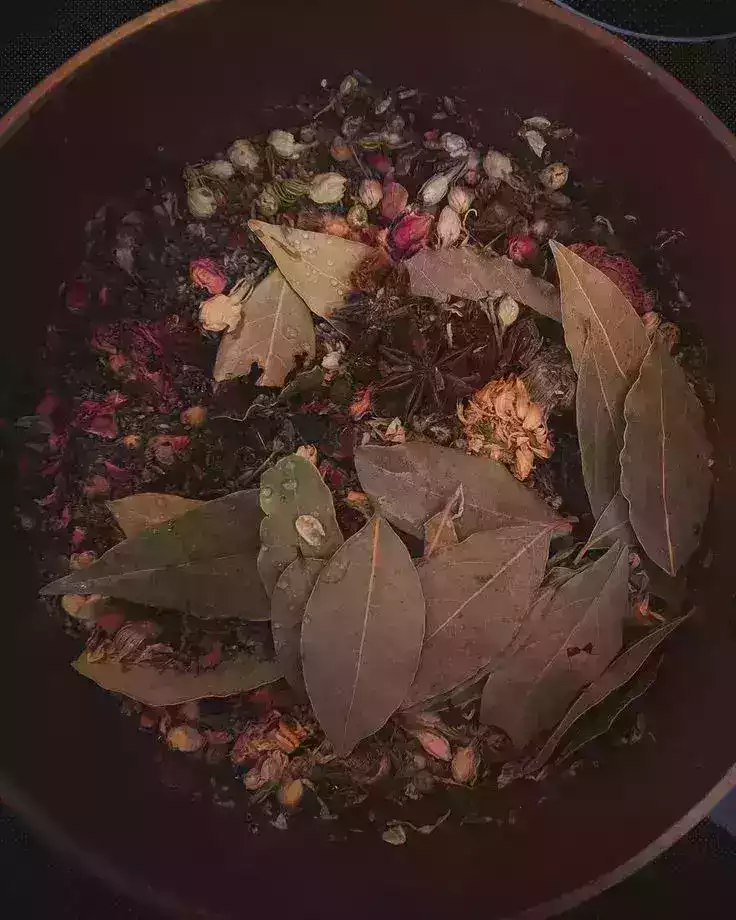
The term “rootwork” reflects the central role of plants and minerals. Specific roots are associated with specific outcomes. For example, High John the Conqueror root is traditionally linked to strength, dominance, and overcoming obstacles.
The physical materia carries symbolic and spiritual charge. Correct selection and preparation determine effectiveness
2. Psalms as Magical Technology
In Hoodoo, the Bible is used as a spell book. Specific Psalms correspond to specific needs. Psalm 23 may be used for protection and blessing, Psalm 35 for justice, Psalm 51 for cleansing.
The spoken word activates the work.
3. Protection and Reversal
Hoodoo places heavy emphasis on uncrossing and protection. Reversing jinxes, removing crossed conditions, and protecting the home are foundational practices.
Spiritual baths, floor washes, and protective powders are common methods.
4. Practical Spell Categories
Hoodoo includes:
-
Love drawing work
-
Money drawing rituals
-
Court case magic
-
Domination and influence work
-
Enemy tricks and crossing
It is pragmatic, not abstract.
Hoodoo vs Religion
Hoodoo is often confused with Haitian Vodou or Cuban Santería. Those are structured religions with priesthoods and deities. Hoodoo is a folk magic system.
A practitioner may be Christian, secular, or religious in other ways. The magic functions independently of formal religious identity.
Cultural Context and Respect
Hoodoo is an African American cultural tradition. Its development is inseparable from the history of slavery and racial oppression in the United States.
Serious study requires acknowledgment of that context. Commercial simplification strips away the historical depth and resilience embedded in the practice.
Responsible engagement avoids romanticization and distortion.
Conclusion
Hoodoo is a survival magic. It is direct, pragmatic, and structured around influence rather than worship. It blends African cosmology, biblical incantation, and botanical knowledge into a functional system of spiritual technology.
Understanding Hoodoo requires precision. It is not aesthetic mysticism. It is applied ritual mechanics developed under pressure and preserved through generations.



Comments
No comments yet. Be the first to share your thoughts!
Leave a Comment
Your email address won't be published. Comments are reviewed before being posted.