 English
 Español
 Français
 中文
中文Bodily fluids have held a particular and enduring fascination within magical traditions across cultures and centuries. Among these, sperm stands as one of the most controversial yet consistently discussed personal concerns employed in love magic. Practitioners throughout history have regarded it as capable of forging an exceptionally potent energetic link, rooted in its symbolic associations with vitality, creative force, and the profound intimacy of human connection. The question of whether love spells using sperm genuinely possess superior efficacy requires not dismissive skepticism nor uncritical belief, but rather a measured examination of the symbolic systems, ritual frameworks, and theoretical principles that underpin such practices within occult traditions.
To understand the role of sperm in love magic, one must first grasp the broader conceptual architecture within which such materials operate. The use of physical components tied directly to an individual's body reflects an ancient and widely distributed magical logic, one that has persisted precisely because it addresses fundamental questions about connection, influence, and the transmission of intention across distance.
What Are Personal Concerns in Magic?
Within the framework of sympathetic magic, personal concerns constitute physical materials intimately connected to a specific individual. These items serve as conduits or anchors, establishing what practitioners describe as a direct line of influence between the ritual work and the person to whom the material belongs. The underlying principle rests upon the belief that objects which have been part of someone's body, or in prolonged contact with their person, retain an energetic signature unique to that individual.
Common examples of personal concerns include hair, fingernail clippings, blood, saliva, skin cells, worn clothing, handwriting samples, photographs, and various bodily fluids. Each category carries its own symbolic weight and traditional associations within different magical systems. Hair, for instance, has long been prized for its connection to identity and personal power. Blood represents life force, ancestral lineage, and the essence of selfhood. Nail clippings, though perhaps less romantically evocative, nonetheless provide a tangible fragment of the physical body.
The theoretical advantage of personal concerns over mere names, written petitions, or visualization alone lies in their material specificity. A name can belong to many individuals; a photograph can be replicated; but a strand of hair, a drop of blood, or a sample of bodily fluid belongs to one person exclusively. This uniqueness, practitioners argue, creates a stronger and more precise connection during spellwork. The physical presence of the material serves as both symbolic anchor and energetic bridge, facilitating the transmission of intention toward a clearly defined target.
In traditions ranging from European folk magic to various forms of rootwork and ceremonial practice, the acquisition and use of personal concerns has been regarded as a mark of serious intent. The effort required to obtain such materials signals commitment, while their presence in ritual work lends a tangible focus that purely abstract methods may lack.
Why Is Sperm Considered So Powerful in Love Magic?
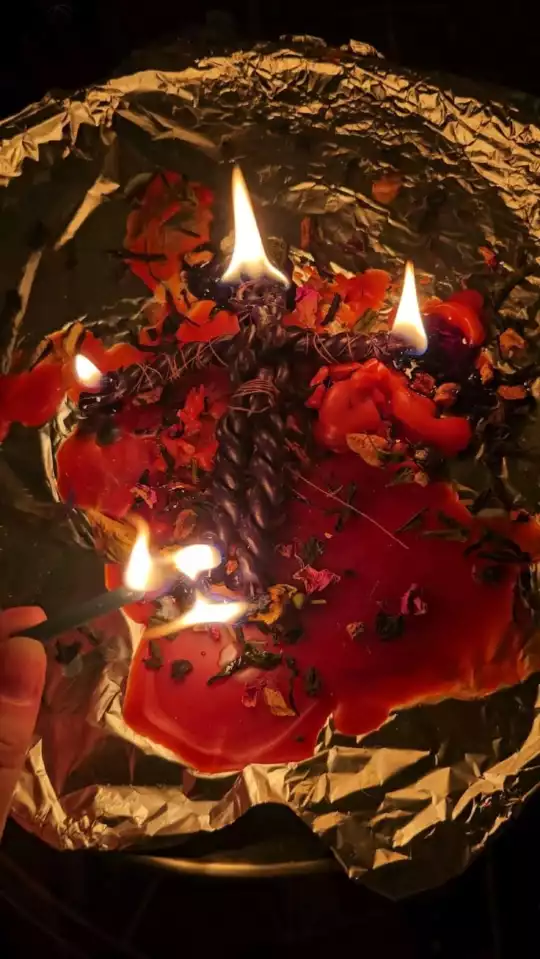
Among personal concerns, sperm occupies a distinctive position due to the rich tapestry of symbolic associations it carries. Its primary connection to fertility and creation imbues it with a significance that extends beyond mere physicality into the realm of archetypal meaning. Across mythological and magical systems, the generative power of semen has been linked to life force itself, representing potential, transformation, and the capacity to bring new existence into being.
Within the context of love magic, these associations translate into a potent symbolic vocabulary. Fertility symbolism does not function solely on a literal biological level but extends metaphorically to the "seeding" of desire, the cultivation of attraction, and the generation of emotional and romantic bonds. The creative essence attributed to sperm aligns it with beginnings, with initiation, with the spark that transforms possibility into manifestation.
Vitality constitutes another central pillar of its symbolic power. Many occult traditions regard sperm as a concentrated expression of personal essence, a distillation of sexual energy and life force. This understanding draws from broader esoteric concepts concerning the relationship between sexuality, vitality, and spiritual power—themes that appear in Tantric practices, certain streams of Western ceremonial magic, and various folk traditions.
The dimension of intimacy further enhances its perceived effectiveness in love spells. Unlike hair or nail clippings, which can be obtained through relatively impersonal means, sperm is inherently tied to sexual activity and the vulnerability of intimate encounter. This connection to the sexual and emotional dimensions of human experience makes it particularly resonant for workings intended to influence attraction, desire, and romantic attachment. The material itself carries the imprint of intimacy, and practitioners believe this imprint can be directed and amplified through ritual action.
Traditional correspondences in occult symbolism frequently associate sexual fluids with Mars, Venus, and lunar energies depending on context and specific tradition. The combination of creative force, desire, and magnetic attraction creates a symbolic profile that aligns precisely with the goals of love magic, making sperm a theoretically ideal component for such work.
The Theory Behind Love Spells Using Sperm
The theoretical foundation for using sperm in love spells rests primarily upon the principles of sympathetic magic, a concept articulated most famously by Sir James Frazer in "The Golden Bough" and refined by subsequent scholars of comparative religion and anthropology. Sympathetic magic operates according to two fundamental laws: the law of similarity (like produces like) and the law of contact (things once connected remain connected).
In the case of personal concerns, the law of contact provides the primary justification. The material once formed part of the individual's body or was produced by it; therefore, a connection persists even after physical separation. This connection, practitioners believe, creates a channel through which magical influence can travel. When incorporated into ritual work, the personal concern serves as a focal point, a symbolic representative of the person, and an energetic bridge between the spell's intention and its target.
The use of sperm specifically amplifies this connection through the additional symbolic layers discussed above. The practitioner performing a love spell using sperm is not merely establishing contact with the individual but is engaging with aspects of that person's vitality, sexual energy, and capacity for intimacy. The ritual work seeks to direct and shape these energies in alignment with the spell's purpose—whether attraction, reconciliation, deepening of existing bonds, or awakening of dormant desire.
Some magical systems further propose that personal concerns function as miniature representations of the whole person, operating on principles similar to poppets or image magic. By working with a part, the practitioner gains access to the whole. The more intimately connected the material to core aspects of life, identity, and power, the more direct and potent the access becomes. Under this framework, sperm represents not merely physical substance but a living expression of creative and sexual potential, making it an exceptionally powerful link.
The effectiveness of such work, according to experienced practitioners, depends upon the ritualist's ability to perceive and manipulate these connections. The material itself does not operate mechanically; rather, it serves as a tool, a symbolic language through which intention is articulated and directed. The practitioner's skill in establishing focus, raising and directing energy, and working within an appropriate symbolic framework determines whether the spell achieves its purpose.
Historical Use of Bodily Fluids in Folk Magic
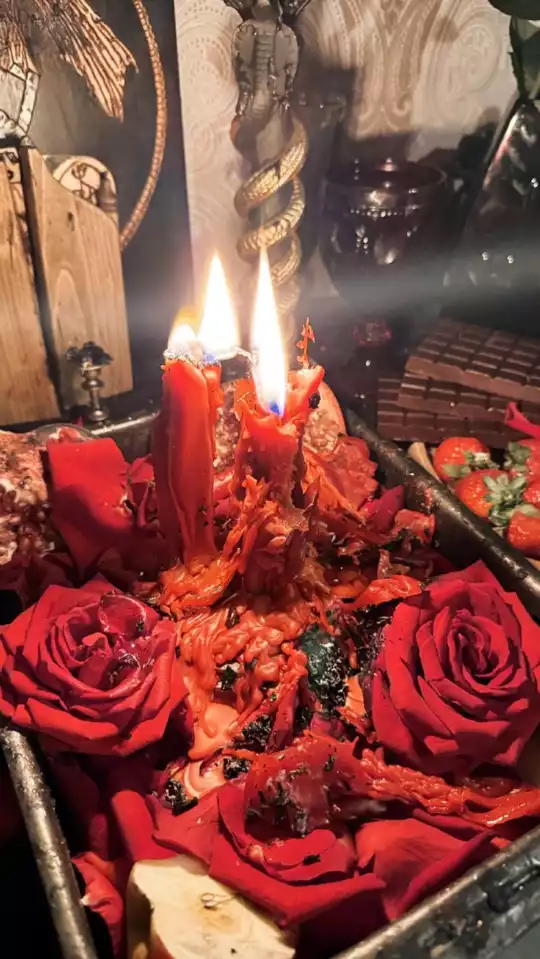
The employment of bodily fluids in magical practice extends deep into recorded and oral histories of folk magic across numerous cultures. European folk traditions, particularly those preserved through grimoires, trial records, and ethnographic documentation, reveal consistent patterns of bodily substances appearing in love charms, binding spells, and rituals intended to influence attraction and fidelity.
Medieval and early modern sources occasionally reference the use of menstrual blood, semen, and other intimate fluids in love magic, though such practices were often described in censorious or condemnatory tones by ecclesiastical authorities. Despite this official disapproval, the persistence of such references suggests widespread belief in their efficacy among practitioners of folk magic. The symbolic logic underlying these practices connected bodily fluids to personal essence, sexual power, and the capacity to influence matters of the heart and body.
Ancient fertility rites across Mediterranean, Near Eastern, and other regions sometimes incorporated ritualized handling of sexual fluids as part of ceremonies intended to ensure agricultural abundance, human fertility, and the continuation of life. While these contexts differ from individual love spells, they demonstrate a longstanding cultural recognition of semen as symbolically potent, connected to generative power and the mysteries of creation.
In various traditions of rootwork and hoodoo, personal concerns including bodily fluids have maintained an important place in love work. Practitioners have historically regarded such materials as among the most powerful available for influencing matters of attraction and relationship. The specific methods and symbolic frameworks vary, but the underlying premise remains consistent: materials intimately connected to the body carry power that can be directed through skilled magical work.
Traditional witchcraft streams, both historical and contemporary reconstructions, frequently acknowledge the use of bodily substances in spellcraft. The frank acceptance of such materials within these traditions reflects a worldview in which the body and its products are not separate from spiritual or magical work but are instead integral components of a holistic practice.
Does Using Sperm Automatically Make a Love Spell Stronger?
Despite the symbolic potency attributed to sperm in love magic, experienced practitioners generally caution against simplistic assumptions regarding ingredients and outcomes. A powerful personal concern does not, by its mere presence, guarantee the success of a spell. The material provides potential, a strong symbolic foundation, but the realization of that potential depends upon numerous other factors.
Ritual structure constitutes one crucial variable. A well-designed ritual creates a coherent symbolic narrative, guides energy effectively, and establishes clear intention. Conversely, a poorly conceived or executed ritual may fail to harness the potential of even the most powerful ingredients. The arrangement of symbolic elements, the flow of the working, and the integration of various components into a unified whole all influence effectiveness.
Timing represents another dimension that skilled practitioners consider carefully. Astrological correspondences, lunar phases, days of the week, and planetary hours each carry specific energetic qualities. Aligning ritual work with appropriate timing can enhance resonance and effectiveness, while disregarding such factors may create unnecessary obstacles.
The focus and intent of the practitioner perhaps matter most of all. Magical work requires sustained concentration, clarity of purpose, and the ability to raise and direct energy toward a specific outcome. A distracted, doubtful, or unfocused practitioner will struggle to achieve results regardless of ingredients. Conversely, a skilled ritualist working with lesser materials but superior technique may succeed where others fail.
Consistency in practice also plays a role, particularly in more complex or ambitious workings. Many love spells benefit from repetition, from sustained attention over time, from layered approaches that address multiple dimensions of attraction and relationship. A single ritual, however powerful its components, may prove less effective than a carefully orchestrated series of workings that build momentum and reinforce intention.
Finally, the involvement of spiritual allies—whether conceived as deities, spirits, ancestors, or other entities—can significantly influence outcomes in traditions that incorporate such relationships. A practitioner working within a developed spiritual framework, with established relationships and reciprocal obligations, operates from a position of greater power than one relying solely on technique and materials.
Sperm Versus Blood in Love Magic
Among practitioners of love magic, discussions often arise comparing the relative power of different personal concerns, with blood and sperm frequently positioned as the most potent options. Both carry deep symbolic weight and extensive traditional use, yet they operate according to somewhat different principles and associations.
Blood has been regarded throughout magical history as perhaps the ultimate personal concern. Its connection to life force, identity, ancestry, and the deepest layers of selfhood gives it a symbolic weight difficult to match. In many traditions, blood represents permanence, binding, and the most serious forms of magical commitment. Blood oaths, blood bonds, and blood sacrifices across cultures attest to the profound significance attributed to this substance. In love magic specifically, blood is often associated with deep attachment, permanent bonds, and workings intended to endure over long periods or lifetimes.
Sperm, by contrast, carries primary associations with fertility, creation, desire, and sexual attraction. Its symbolic profile emphasizes beginnings, generation, and the initiation of connection rather than the permanence suggested by blood. Where blood might be chosen for binding work or spells intended to create lasting commitment, sperm may be favored for attraction, awakening desire, or sparking initial interest.
The creative and generative symbolism of sperm aligns it particularly with workings focused on bringing something new into being—a relationship where none existed, desire where there was indifference, passion where there was coolness. Blood's connection to identity and permanence makes it suitable for deepening existing bonds or ensuring fidelity and lasting attachment.
Experienced practitioners recognize that these materials are not interchangeable but serve different symbolic functions within the broader spectrum of love magic. The choice between them depends upon the specific goal of the working, the symbolic framework within which the practitioner operates, and the particular energies one wishes to invoke and direct. Neither can be declared objectively superior; rather, each possesses distinctive qualities that make it appropriate for particular purposes.
Some traditions hold that combining personal concerns from both individuals involved in a spell creates particularly powerful results, especially for reconciliation work or spells intended to bind two people together. In such cases, the symbolic dialogue between different materials and their corresponding energies becomes part of the ritual's meaning and power.
Common Misconceptions About Love Spells Using Sperm
Several persistent misconceptions surround the use of sperm in love magic, often arising from sensationalized accounts, incomplete understanding of magical principles, or the natural human tendency to seek simple answers to complex questions.
Perhaps the most prevalent misconception holds that possession of a powerful ingredient automatically guarantees success. This belief reduces magic to a purely material transaction, ignoring the dimensions of skill, technique, timing, and energetic manipulation that experienced practitioners recognize as essential. A personal concern provides potential and symbolic resonance, but it cannot substitute for competent ritual practice.
Related to this is the assumption that the material itself performs the work, that one need only obtain sperm and combine it with minimal ritual action to achieve results. This mechanistic view fundamentally misunderstands the nature of magical practice. The personal concern serves as a focus and a link, but the practitioner must activate that potential through intentional ritual work, energy raising, and skilled direction of will.
Another common error involves the belief that quantity correlates directly with power—that more material produces stronger effects. In practice, a small amount properly incorporated into well-designed ritual work proves far more effective than large quantities carelessly employed. Magical practice operates according to symbolic logic and energetic principles, not physical mass.
The expectation of instant results represents yet another misconception. While some practitioners report rapid manifestations following spellwork, many workings require time to unfold. Magical influence must navigate the complexities of human psychology, social circumstance, and the many factors that shape attraction and relationship. Patience and sustained effort often prove necessary, particularly for ambitious goals or resistant situations.
Finally, some assume that a single ingredient choice determines the character and outcome of a spell. In reality, love magic involves numerous variables—herbs, stones, colors, symbols, words of power, timing, and more—all of which contribute to the working's overall symbolic profile and effectiveness. Sperm may serve as a powerful component, but it functions within a larger ritual ecosystem.
Why Personal Concerns Remain Popular in Modern Spellwork
Despite technological advances and the increasing abstraction of human interaction in digital environments, personal concerns continue to occupy a central place in contemporary magical practice. This persistence suggests that something fundamental in human cognition and magical theory makes physical links particularly valuable.
On a practical level, personal concerns provide concrete focus during ritual work. The physical presence of hair, nail clippings, or bodily fluids gives the practitioner something tangible to work with, a material anchor for visualization and energy direction. This tangibility helps maintain concentration and provides a clear target for magical intention, reducing the abstractness that can sometimes make spellwork feel vague or uncertain.
Symbolically, personal concerns satisfy a deep intuition about connection and influence. The logic of sympathetic magic resonates with fundamental patterns in human thought about relationship, proximity, and power. The belief that things once joined remain connected, that a part contains the essence of the whole, appears across cultures and historical periods with remarkable consistency. Personal concerns make these abstract principles concrete and workable.
For practitioners working within traditional frameworks, the use of personal concerns represents continuity with historical practice. Many who study folk magic, traditional witchcraft, or rootwork specifically seek connection with older ways of working. Employing methods and materials attested in historical sources creates a sense of lineage and authenticity, linking contemporary practice to earlier practitioners and their accumulated wisdom.
Additionally, the effort and sometimes risk involved in obtaining personal concerns signals seriousness of intent. Acquiring a target's hair, worn clothing, or bodily fluids requires planning, access, and commitment. This investment itself becomes part of the magical work, demonstrating to oneself and potentially to spiritual allies that the matter is significant enough to warrant such effort.
Modern practitioners also appreciate that personal concerns function independently of belief on the target's part. Unlike methods requiring the target's conscious participation or awareness, spells using personal concerns can theoretically operate without detection or resistance. This perceived advantage makes them attractive for situations where direct communication is impossible or undesirable.
The enduring popularity of personal concerns in magic reflects their utility, their symbolic richness, and their capacity to address fundamental questions about how influence operates across distance and between individuals. As long as these questions remain relevant to human experience, materials that promise direct connection and tangible focus will continue to find practitioners willing to incorporate them into magical work.
Conclusion
The continued prominence of love spells using sperm within occult practice stems from a confluence of symbolic associations, traditional precedent, and theoretical principles that position it as an exceptionally potent personal concern. Its connections to vitality, creation, sexual energy, and intimate encounter create a symbolic profile precisely aligned with the goals of love magic—attraction, desire, bonding, and the initiation of romantic connection.
Yet as with all aspects of magical practice, ingredients represent only one dimension of a complex equation. The effectiveness of any love spell depends fundamentally upon the quality of the ritual work itself, the skill and focus of the practitioner, appropriate timing and correspondences, and the coherence of the symbolic framework within which the working occurs. Sperm may provide powerful potential, but that potential must be activated, directed, and integrated into competent practice to manifest desired results.
Understanding the role of personal concerns in magic requires moving beyond simplistic assumptions about cause and effect, recognizing instead the layered nature of symbolic work and the multiple factors that contribute to successful outcomes. The practitioner who approaches love spells using sperm with respect for tradition, attention to technique, and realistic expectations regarding process and timeline positions themselves for meaningful engagement with this ancient and enduring form of magical practice.
Comments
No comments yet. Be the first to share your thoughts!
Leave a Comment
Your email address won't be published. Comments are reviewed before being posted.