
 English
 Español
 Français
 中文
中文The voodoo doll occupies a peculiar niche in the Western imagination—most commonly associated with harm, yet historically employed as frequently for purposes of attraction and reconciliation. Within the realm of love magic, the doll becomes more than an effigy; it transforms into a sympathetic vessel, a conduit through which desire flows across the invisible threads connecting human hearts. This practice, rooted in African diaspora traditions and syncretized through centuries of displacement, speaks to the universal longing for control over the ungovernable: affection, devotion, return.
The Architecture of Sympathetic Connection
At the core of voodoo doll love magic lies the principle of sympathetic correspondence—the ancient belief that objects bearing physical or symbolic resemblance can influence their subjects across space. The doll serves as proxy, its construction a ritual act demanding intention and focus. Fabric, wax, clay, or natural fibers become the medium through which the practitioner inscribes desire. Personal effects—hair strands, worn clothing fragments, photographs—anchor the doll to its intended subject, creating what practitioners describe as a spiritual tether.
Unlike malevolent applications that dominate popular discourse, love workings with dolls emphasize attraction rather than compulsion. The distinction matters. Pins inserted near the heart region symbolize not pain but awakening; red thread wound around the figure invokes passion; honey or rose petals placed with the doll suggest sweetening and opening. Each gesture carries coded meaning, inherited through oral transmission and adapted across generations.
Ritual Choreography and Invocation
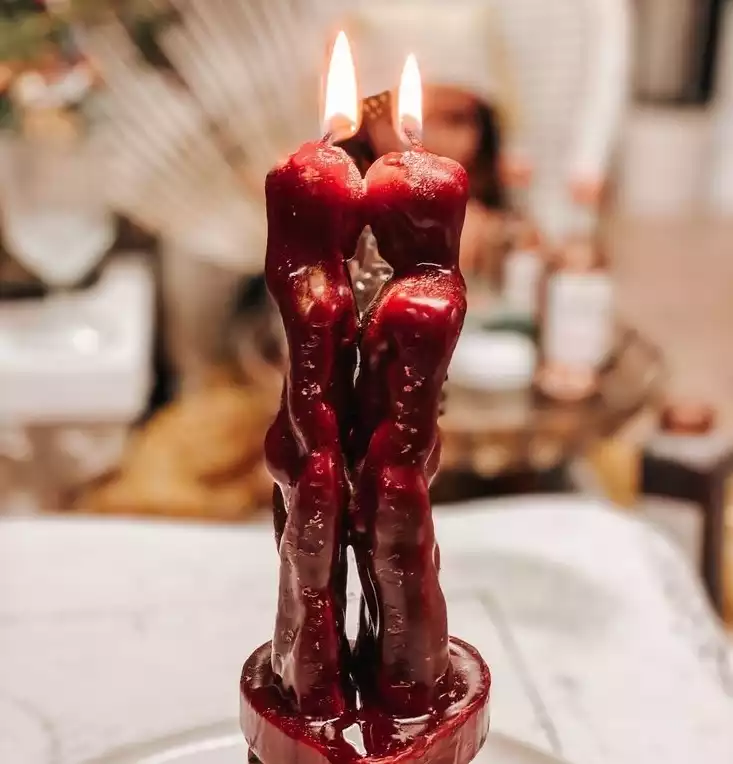
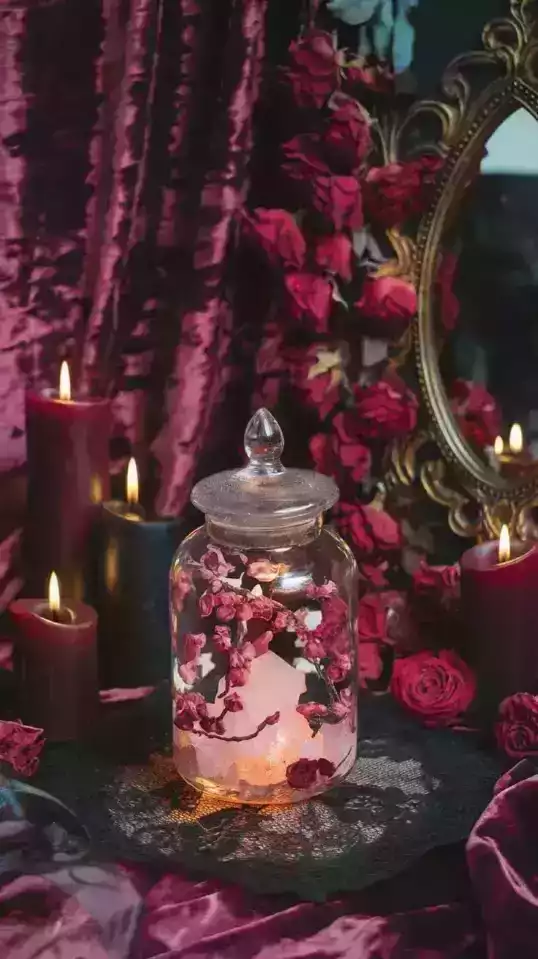
The effectiveness of the practice, according to tradition, depends less on the object itself than on the ceremonial framework surrounding its activation. Practitioners often work during waxing moons or Fridays, days governed by Venus and conducive to romantic influence. Candles—pink for affection, red for passion—are lit in specific configurations. Petitions are whispered or written, naming desires with clarity. The doll is anointed with oils: rose, jasmine, patchouli. It rests on altars alongside offerings to spirits who govern love: Erzulie Freda in Haitian Vodou, corresponding figures in related traditions.
Ethical Dimensions and Psychological Undercurrents
Contemporary practitioners grapple with the ethical complexity embedded in any magic seeking to influence another's will. The question persists: where does invitation end and coercion begin? Many modern approaches emphasize the doll as a focus for self-transformation rather than external manipulation—a meditation on one's own capacity to attract love through internal shifts. The ritual becomes psychological theater, externalizing inner work through symbolic action.
The voodoo doll in love magic thus remains suspended between worlds: sacred tool and pop culture artifact, empowerment practice and ethical dilemma. Its persistence across centuries suggests something irreducible in the human need to ritualize longing, to give form to formless yearning, to believe that desire itself can bend reality.
Comments
No comments yet. Be the first to share your thoughts!
Leave a Comment
Your email address won't be published. Comments are reviewed before being posted.