 English
 Español
 Français
 中文
中文The separation of lovers occupies a territory in human consciousness where grief intersects with possibility, where absence transforms into a peculiar presence that haunts the abandoned heart with equal measures of memory and longing. Within the cosmology of Voodoo—more properly understood through its Haitian Kreyòl designation as Vodou—this existential condition finds neither dismissal nor mere psychological categorization, but rather recognition as a spiritual crisis demanding intervention through ritual technologies refined across generations of practitioners who understood love itself as a force requiring proper channeling, maintenance, and when necessary, restoration.
The rituals designed to reunite separated lovers within Voodoo tradition represent far more than simple spells or mechanistic formulae. They constitute elaborate symbolic dramas enacted at the intersection of visible and invisible worlds, drawing upon cosmological principles that recognize romantic bonds as sacred contracts witnessed by divine forces, protected by ancestral spirits, and vulnerable to disruption by both natural entropy and deliberate malevolence. To approach these practices with understanding requires excavating layers of meaning deposited across centuries—from the Fon and Yoruba kingdoms of West Africa through the crucible of Caribbean plantation societies, into contemporary expressions that maintain continuity with ancient principles while adapting to modern circumstances.
The theoretical foundation underlying Voodoo love reunion work rests upon several interlocking concepts. First, the recognition that human relationships exist simultaneously on multiple planes: the material realm of physical proximity and social interaction, the psychological dimension of emotion and memory, and the spiritual plane where souls recognize and bond with one another across incarnations. When lovers separate, these multiple dimensions fragment at different rates and with varying degrees of completeness. Physical distance may be absolute while emotional connection persists; alternatively, bodies may share space while spiritual alienation creates unbridgeable interior distance.
Voodoo practitioners approach reunion work with diagnostic precision, first determining which planes of connection remain intact and which have severed. This assessment guides the selection of appropriate lwa—the divine spirits who serve as intermediaries between human and cosmic realms—as different entities govern different aspects of romantic union. The practice acknowledges that reunion cannot simply restore a previous state; separation introduces irreversible change, and successful reconciliation requires creating a transformed relationship that incorporates the lessons and alterations produced by distance.
The Spiritual Architecture of Romantic Bonds
Within Vodou cosmology, romantic love emerges from the domain of Erzulie Freda, the lwa who embodies feminine beauty, luxury, romantic passion, and the refined sensibilities of the heart. Her aesthetic sensibility—expressed through preferences for pink and pale blue colors, champagne, French perfumes, jewelry, and elaborate offerings—reflects the Vodou understanding that love requires cultivation, maintenance, and proper attention to beauty and refinement. Erzulie Freda's dominion extends beyond mere attraction to encompass the entire emotional landscape of romantic relationship, including the pain of heartbreak she herself experiences in mythological narratives where her three husbands can never fully satisfy her idealistic yearnings.
This divine archetype contains crucial instruction for practitioners: love inherently includes suffering, impossibility, and unfulfilled longing as essential components rather than aberrations. Erzulie Freda weeps during possessions, her grief mingling with her beauty, teaching that heartbreak itself holds sacred dimension. To approach reunion rituals through her auspices means accepting that restored love will not erase the pain of separation but must incorporate it as transformation.
Complementing Erzulie Freda's domain, other lwa govern aspects essential to successful reunion work. Damballa Wedo, the primordial serpent deity associated with creation, purity, and fundamental life force, addresses relationships at their originating spiritual level—the soul recognition that precedes and transcends individual incarnations. Work with Damballa seeks to reactivate the deepest cosmic bonds between lovers, the recognition of partnership that exists before personality, before ego, at the level of pure spiritual essence.
Papa Legba, master of crossroads and gateways, facilitates communication between separated lovers and opens pathways for reunion. His presence in reconciliation work proves essential because separation creates barriers—physical distance, emotional walls, new circumstances, pride, hurt, misunderstanding—that function as closed doors requiring keys. Legba's domain encompasses all thresholds, all openings, all permissions to pass from one state to another. Without propitiating this guardian of gates, reunion work lacks the fundamental pathway through which reconciliation might travel.
More problematic but sometimes necessary is engagement with Erzulie Dantor, the fierce warrior aspect of divine feminine power who protects women, children, and those who suffer injustice. Where Erzulie Freda embodies romantic idealism, Dantor represents pragmatic protection and righteous vengeance. In reunion contexts where one partner has been wronged, abandoned, or betrayed, Dantor's intervention may be sought to create justice, remove obstacles, or—more controversially—compel the return of a lover through forceful spiritual influence. This approaches territory where reunion work bleeds into domination and control, raising ethical questions that practitioners navigate with varying degrees of concern for consent and free will.
West African Antecedents and Theological Foundations
The spiritual technologies employed in Vodou love reunion rituals trace lineages to specific West African cultural complexes, primarily among Fon peoples of present-day Benin and Yoruba populations spanning southwestern Nigeria and neighboring territories. The Fon concept of vodun—spirits or divine forces inhabiting natural phenomena and governing human affairs—provided the etymological and theological foundation for Haitian Vodou. Among these vodun, Mami Wata (the water spirit), Sakpata (earth and healing), and various manifestations of Legba already governed matters of love, fertility, relationship, and human connection.
Yoruba orisha traditions contributed parallel and sometimes overlapping divine personalities, particularly Oshun, the river goddess associated with love, beauty, fertility, and diplomacy. Oshun's archetype—sensuous, powerful, capable of both nurturing affection and devastating withdrawal—provided spiritual technology for relationship work that would eventually merge with Fon practices in the Caribbean pressure-cooker of cultural synthesis that slavery enforced.
These African precedents understood love magic not as manipulation but as alignment—bringing human desires into harmony with divine will and cosmic order. The concept of àṣẹ (Yoruba) or similar notions of spiritual power and authorization meant that effective ritual work required proper relationship with divine forces. One could not simply command spirits to enforce personal will; instead, practitioners cultivated relationships with specific orisha or vodun, learned their preferences and protocols, and petitioned them as intermediaries who might—if properly approached and compensated—lend their power to human endeavors.
This theological framework carried crucial ethical dimensions. The spirits themselves possessed agency, preferences, and standards. They might refuse requests that violated cosmic order or divine principles. They required respect, proper offerings, correct protocols. The relationship between practitioner and spirit was fundamentally reciprocal rather than coercive, based on exchange, honor, and mutual obligation rather than dominance.
Within this context, love reunion work required demonstrating to relevant spirits that the desired reconciliation aligned with broader patterns of destiny, spiritual contract, and cosmic appropriateness. Practitioners would divine—through various methods including cowrie shell reading, dream interpretation, or possession—whether the separation represented temporary disruption of a bond meant to endure, or whether it signified necessary ending that should not be reversed. Attempting to force reunion against spiritual wisdom invited disaster, as spirits might comply superficially while ensuring the restored relationship brought suffering as correction for violating divine order.
Caribbean Transformation and Creolization
The Middle Passage and Caribbean plantation systems created conditions where African spiritual traditions underwent radical transformation while maintaining essential continuity. Separated from homeland contexts, forced into proximity with practitioners from different ethnic groups who shared no common language, enslaved populations developed new synthetic religious forms that preserved core theological principles while adapting to catastrophic displacement.
In Saint-Domingue (colonial Haiti), this process produced Vodou as a distinct tradition maintaining recognizable African elements while incorporating Catholic symbolism, indigenous Taíno influences, and innovations emerging from the unique pressures of plantation society. The lwa became identified with Catholic saints in a complex syncretism that functioned simultaneously as protective camouflage, genuine theological synthesis, and creative elaboration of divine personalities through new cultural materials.
For love reunion rituals specifically, this Caribbean transformation introduced several significant elements. The incorporation of Catholic prayer, particularly to saints associated with love and relationship (Saint Valentine, Saint Anthony), created hybrid ritual forms where Ave Marias preceded invocations to Erzulie Freda, where rosaries served as ritual instruments alongside asson (sacred rattle) and ogan (bell). This was not superficial borrowing but deep integration, as practitioners perceived Catholic divine figures as additional manifestations of spiritual forces rather than contradictory alternatives.
The plantation context also introduced urgent practical dimensions to love reunion work. Families were deliberately separated by slave traders and plantation owners; lovers were sold to different estates; relationships were disrupted as economic calculations rather than human choice. In this context, reunion rituals addressed not merely personal heartbreak but systematic violence against human bonds. The spiritual technologies for bringing separated lovers together adapted to include methods for crossing great distances, for maintaining connection despite physical separation, for protection against forces specifically working to keep people apart.
Moreover, the revolution that created Haiti in 1804 emerged partly from organizational structures developed through Vodou ceremonies. The tradition had proven its power to coordinate resistance, maintain cultural identity, and provide psychological and spiritual resources for surviving the unsurvivable. Love reunion rituals carried this revolutionary validation—they were technologies from a tradition that had demonstrably changed material reality through spiritual means, that had unified scattered peoples into collective force, that had broken chains no one believed could be broken.
The Diagnostic Phase: Reading the Separation
Before any reunion work begins, accomplished practitioners undertake extensive divination to understand the nature, causes, and spiritual dimensions of the separation. This diagnostic phase proves crucial because different types of separation require different approaches, and attempting reunion that violates spiritual wisdom or natural endings produces suffering rather than healing.
The primary divination system employed in Haitian Vodou uses cowrie shells, typically in sets ranging from sixteen to twenty-one shells whose patterns when cast reveal messages from the lwa. The diviner interprets not merely the number of shells that fall open versus closed, but their spatial relationships, the order in which they land, and intuitive impressions received during the reading. Questions posed to the shells address several key concerns: What caused the separation? Does the bond retain spiritual validity? Which lwa govern this relationship? What obstacles exist to reunion? What offerings and rituals would be appropriate? What is the likely outcome if reunion is pursued?
Alternative or supplementary divination methods include card reading (often using systems like Lenormand or standard playing cards invested with Vodou symbolism), dream interpretation (either the practitioner's dreams after petition or the client's dreams analyzed for symbolic content), and direct consultation through possession, where a lwa temporarily inhabits a practitioner's body and speaks directly about the situation.
Through divination, practitioners distinguish between several categories of separation, each requiring different approaches. A separation caused by external interference—another person working magic to break the relationship, family opposition, economic circumstances, geographic necessity—presents differently than separation arising from internal disintegration where the relationship itself contained fundamental incompatibilities or had completed its spiritual purpose. Separation as testing or purification—where the bond must be broken temporarily to allow individual growth necessary for the relationship to evolve—requires patience and internal work rather than immediate reunion rituals.
Particularly important is discerning whether separation involves malevolent spiritual work. If someone has paid a practitioner to break the relationship through magic, reunion work must first address and neutralize this hostile influence before attempting reconciliation. This requires protective and cleansing rituals, possibly including the creation of wanga (magical charms) for defense, spiritual baths to remove negative influences, and sometimes aggressive counter-magic to break the attacking spell.
The diagnostic phase also assesses the client's motivations and spiritual readiness. Practitioners recognize that desire for reunion often masks unhealthy attachment, fear of solitude, ego-driven possessiveness, or inability to accept natural endings. A skilled houngan (male priest) or mambo (female priest) will probe these psychological dimensions, sometimes refusing to perform reunion work when it clearly serves destructive patterns rather than genuine love. This ethical discernment distinguishes mature practitioners from mercenary workers who will perform any requested ritual regardless of wisdom or consequences.
Foundational Preparations and Spiritual Cleansing
Once divination confirms that reunion work is appropriate and identifies the relevant lwa and methods, preparation begins with extensive spiritual cleansing. The person seeking reunion must be purified of negative influences, energetic residue from the separation, emotional blockages, and any hostile magic that may have contributed to the breakup. This cleansing typically unfolds across multiple phases over days or weeks.
The most fundamental cleansing technology involves ritual baths, prepared according to precise formulae using combinations of herbs, flowers, perfumes, and other substances selected for their spiritual properties and association with specific lwa. For love reunion work, baths might incorporate rose petals and rose water (associated with Erzulie Freda), honey (for sweetening and attraction), basil (for purification and love), orange blossom water (for joy and attraction), white rum (for spiritual cleansing), and Florida Water cologne (a standard Vodou purification agent).
These baths are prepared ritually, often with prayers and invocations spoken over the water, and must be used according to specific protocols. Typically, the person bathes normally first with soap and water, then applies the ritual bath from head downward, allowing it to dry on the skin rather than toweling off. The bath may be repeated for a prescribed number of days—often three, seven, or nine days, numbers holding symbolic significance in Vodou numerology.
Concurrent with bathing, the person may be prescribed to wear specific colors (white for purity, pink or light blue for Erzulie Freda), avoid certain activities (arguments, negative speech, sexual contact), maintain particular observances (lighting candles at specific times, prayers or invocations repeated daily), and sometimes observe dietary restrictions (avoiding red meat, eating more fruits and sweet foods to align with Erzulie's preferences).
The practitioner leading the work performs parallel preparations, cleansing their ritual space, refreshing altar arrangements for the relevant lwa, and sometimes undergoing their own purification processes. The peristil (temple) or personal altar becomes the focal point of ceremonial work, elaborately decorated according to the specific lwa being petitioned.
An altar for Erzulie Freda designed for reunion work would be covered in pink or white cloth, adorned with flowers (particularly roses), fine objects (jewelry, perfume bottles, decorative items), images (chromolithographs of Mater Dolorosa or other saints syncretized with Erzulie), glasses of champagne or white wine, sweet cakes and candies, and candles in appropriate colors. The altar becomes an offering, an environment created to please the lwa and demonstrate devotion, respect, and proper understanding of her aesthetic sensibility.
Within this prepared environment, the actual reunion rituals will unfold through multiple ceremonial occasions, each building upon previous work, each designed to address specific aspects of the reconciliation process.
The Invocation Ceremony: Calling the Lwa
The formal reunion work typically begins with a ceremony of invocation, where the relevant lwa are called to attend, witness, and empower the ritual work being undertaken. This ceremony follows the established liturgical structure of Vodou ritual, beginning with preparatory prayers, proceeding through the Priye Ginen (African prayers), and culminating in direct invocation and, potentially, possession.
The ceremony opens with Catholic prayers—Pater Noster, Ave Maria, and others—recited in Latin, French, or Kreyòl depending on the house's tradition. This Catholic prelude serves multiple functions: it honors the syncretic nature of Vodou, it demonstrates cultural literacy and traditional knowledge, and it creates initial sacred space. The prayers flow without pause into the Priye Ginen, a series of invocations in ritual language (a mixture of Kreyòl and retained African words) that call upon God (Bondye), the ancestors, and the lwa in their proper hierarchical order.
Crucially, Papa Legba must be invoked first, as he guards the gateway between human and spirit realms. The well-known invocation begins:
Papa Legba, ouvri baryè pou mwen
Ago eh! Papa Legba, ouvri baryè pou mwen
Ouvri baryè pou mwen, Papa, pou mwen pase
Lè m'a tounen, m'a salye lwa yo
(Papa Legba, open the gate for me / I thank you! Papa Legba, open the gate for me / Open the gate for me, Papa, so I may pass / When I return, I will salute the lwa)
This invocation is accompanied by rhythmic drumming on the three sacred drums—manman (mother/largest), segon (second), and boula (smallest)—playing the distinctive rhythm associated with Legba. The houngan or mambo traces vèvè (symbolic ground drawings) for Legba in cornmeal or wheat flour on the earthen floor or on the potomitan (center post), creating the intricate geometric and symbolic design that serves as spiritual beacon and landing point for the lwa.
With Legba properly honored and the gateway opened, invocations proceed to other lwa relevant to the work. For reunion rituals, Erzulie Freda receives elaborate attention. Her rhythm is played, her vèvè—featuring heart shapes, decorative flourishes, and often mirror symbols—is drawn with particular care, and songs in her honor are performed. These songs, passed down through generations, tell of her beauty, her sorrows, her power, and petition her assistance.
Participants in the ceremony—which might include only the practitioner and client, or might involve a full congregation depending on the working's scope—dance the dances associated with each lwa, embodying through movement the qualities and energies being invoked. The ceremony builds in intensity through repetition, rhythm, and focused intentionality until the spiritual atmosphere reaches critical density.
At this charged moment, possession may occur. A participant—often the officiating priest or priestess, but sometimes another individual—exhibits the signs of mounting (monté) by a lwa: altered consciousness, changed demeanor, manifestation of the spirit's characteristic movements, voice, and personality. If Erzulie Freda possesses someone, she typically displays refined, elegant movements, speaks in a high, soft voice, weeps beautifully, demands her preferred offerings, and may directly address the client seeking reunion, offering advice, blessings, or instructions.
Whether or not possession occurs, the invocation ceremony establishes spiritual presence and permission for the work to proceed. The lwa have been properly summoned, offerings have been made and accepted, and the ritual containers have been opened for the specific work of reunion to be performed.
Symbolic Objects and Material Mediation
Vodou operates through material culture as much as through intangible spiritual forces. Physical objects serve as vessels, conduits, and anchors for spiritual power, creating concrete connections between visible and invisible realms. Reunion rituals employ various classes of empowered objects, each serving specific functions in the larger ceremonial architecture.
Photographs play crucial roles in love magic generally and reunion work particularly. Images of the separated lovers—ideally photographs showing them together during happier times, but also individual photos if joint images are unavailable—become focal points for ritual work. The photograph is understood not as mere representation but as spiritual connection to the person depicted; it contains something of their essence, their ti bon anj (little good angel, one aspect of the soul in Vodou anthropology).
These photographs undergo ritual treatment. They might be placed together, bound with red or pink thread to symbolize reconnection. They might be positioned facing each other on the altar, with a candle burning between them to illuminate the pathway of reunion. They might be placed in honey jars (discussed below) or sewn into wanga packets. Sometimes they are ritually "married" in a symbolic ceremony where the practitioner conducts rites as if officiating at the couple's wedding, speaking vows on their behalf, blessing them, and declaring them reunited before the witness of the lwa.
Personal items provide even stronger connections than photographs. Hair, nail clippings, worn clothing, handwriting samples, or other objects bearing the person's physical traces contain concentrated essence that can be ritually deployed. In reunion work, such items from both partners might be combined, intertwined, or placed together in various ritual containers. The ethical acquisition of such materials matters to conscientious practitioners—items should be given freely or obtained openly, not stolen, as theft introduces dishonesty into the spiritual work's foundation.
The honey jar represents one of the most widespread techniques in Vodou love magic. A glass jar is filled with honey (sometimes mixed with sugar, cinnamon, vanilla, and other sweetening and attractive substances), and into this sweet medium are placed the names of the lovers (written on paper), their photographs, personal items, herbs selected for love and reunion (rose petals, damiana, lavender, catnip, jasmine), and sometimes small objects with symbolic meaning (lodestones for attraction, devil's shoestring root for control, queen elizabeth root for commanding). The jar's lid is sealed, often with wax from pink or red candles melted over the rim.
The sealed honey jar becomes a miniature cosmos containing the relationship in ideal form—sweetened, preserved, unified. It is kept on the altar and worked regularly: candles are burned on top of the jar, prayers are spoken over it, it is held and visualized over, and it is maintained as a living ritual object rather than created and forgotten. The honey jar operates on the principle of sympathetic magic—as the lovers' representations remain sweetly bound together in the jar, so too will they reunite and remain together in life.
Wanga, the Vodou term for a magical charm or spell bundle, provides another material form for reunion work. A wanga for reuniting lovers might consist of a red or pink cloth bundle containing herbs, roots, powders, written petitions, and personal items from both partners. The bundle is constructed ritually, with prayers and invocations spoken as each ingredient is added, building a cumulative charge of intention and spiritual power. Once completed, the wanga is typically hidden in a location significant to the relationship—buried at the threshold of one partner's home, concealed near where they might pass, or kept on the practitioner's altar if other placement isn't feasible.
Candle magic forms a continuous thread through reunion work. Specific candles—colored, carved with names, dressed with oils, and sometimes "loaded" with prayers written on paper and inserted into hollowed candles—are burned as offerings and to direct intention. A classic technique involves preparing two candles (representing the lovers), placing them at a distance on the altar, and each day moving them slightly closer together while reciting prayers and petitions. When the candles finally touch, they are bound together and burned as one, symbolizing reunion.
The Petition and the Promise: Negotiating with Spirits
Central to Vodou reunion work is the concept of spiritual contract. The relationship between practitioner and lwa operates on principles of reciprocity and negotiation. One does not command divine spirits; one petitions them, offers compensation, and enters into agreement. The structure of this negotiation profoundly shapes the ritual work's ethical and practical dimensions.
The petition itself must be clearly articulated—not merely in the general sense of "bring back my lover," but with specific understanding of what reunion means, what form it should take, what obstacles must be overcome. The practitioner, through divination and consultation with the client, formulates a precise request that addresses the actual spiritual and material circumstances of the separation.
In exchange for the lwa's assistance, offerings must be made. These vary according to which spirits are being petitioned and the magnitude of the work being requested. For Erzulie Freda, appropriate offerings include champagne or white wine, perfume, jewelry, sweet cakes, flowers (especially roses and carnations), rice cooked with beans and spices, and sometimes more substantial gifts like fine clothing or expensive cosmetics. The offerings demonstrate respect, understanding of the lwa's preferences, and willingness to give value in exchange for assistance received.
Offerings are made both before (to secure the lwa's agreement and initial blessing) and after (in gratitude for success) the reunion work. Practitioners understand that failure to provide promised offerings after successful results invites the lwa's displeasure and potential reversal of the work. The spirits have fulfilled their part of the contract; human failure to reciprocate appropriately constitutes breach that must be corrected.
Moreover, some reunion work requires more dramatic commitments. The client might be asked to make particular sacrifices (giving up a habit, changing behavior that contributed to the separation), maintain ongoing spiritual practices (regular prayers, wearing of protective amulets, periodic offerings), or accept specific conditions (that reunion will occur according to the lwa's timing rather than the client's demands, that the restored relationship will require ongoing work and cannot simply return to previous patterns).
In cases of particularly difficult reunions—where great obstacles exist, where the separation has endured long, where other magical work opposes the reunion, or where one partner seems utterly opposed to reconciliation—the lwa may demand significant offerings: animal sacrifice (appropriate to the specific spirit's preferences), elaborate ceremonies involving substantial expense, commitments to ongoing service, or other substantial exchanges of value and devotion.
The negotiation also includes discussion of methods and ethics. Some clients request domination work—compelling the lost lover's return through spiritual force that overrides their will. Erzulie Dantor or Petwo spirits (the fiercer, more aggressive pantheon within Vodou's complex spiritual ecology) might be approached for such coercive magic. Conscientious practitioners navigate these requests carefully, discussing consequences and karmic implications while acknowledging that Vodou tradition does include binding and commanding techniques for those who choose to employ them.
The Crossroads Working: Engaging Liminal Power
Crossroads hold particular potency in Vodou cosmology and ritual practice. Where paths intersect, where choices diverge, where territories meet—these liminal zones pulse with spiritual power and provide access points to the lwa, especially Papa Legba in his role as master of gates and pathways. Reunion work frequently employs crossroads ceremonies to create openings for reconciliation and to engage the transformative power inherent in threshold spaces.
A traditional crossroads working for lover reunion begins with careful site selection. The crossroads should be an actual intersection of paths or roads—often a quiet rural crossroads is preferred to busy urban intersections, though the latter may be used if necessary. The ceremony is typically performed at spiritually significant times: midnight (the crossroads of day and night), dawn (the threshold between darkness and light), or dusk (the transition from day to night). These temporal crossroads amplify the spatial crossroads' power.
The practitioner arrives at the crossroads with ritual materials: offerings for Legba (often including rum, tobacco, coffee, cornmeal, candy, and coins), candles, the prepared wanga or other ritual objects specific to the reunion work, and items representing the separated lovers. At the crossroads center, prayers are recited, invoking Legba and requesting his assistance in opening the way for reunion.
The practitioner might trace Legba's vèvè at the crossroads center using cornmeal, creating the spiritual beacon that calls his attention. Offerings are placed at the cardinal points or at the crossroads center. Candles are lit, often at each of the four roads meeting at the crossroads. The prepared reunion wanga or other objects might be buried at the crossroads center, placed in a specific direction (east for new beginnings, west for healing, north for power, south for passion, depending on the tradition), or simply presented at the crossroads while prayers and petitions are spoken.
The core prayer addresses Legba's power over pathways, asking him to open the road between the separated lovers, to remove obstacles blocking reunion, to create opportunities for their paths to cross again. The prayer acknowledges his authority over all thresholds and transitions, positioning the desired reunion as a crossing from separation to togetherness that requires his permission and facilitation.
After completing the ritual actions, the practitioner departs the crossroads without looking back—looking back suggests doubt, attachment, or second-guessing that could undermine the work's power. Offerings remain at the crossroads for Legba to consume spiritually; other travelers may take physical items, which is understood as the offerings entering circulation and spreading the work's influence through the community.
Some traditions hold that crossroads work must be performed three times—on three separate occasions at three different crossroads—to fully activate its power. The number three appears frequently in Vodou numerology, associated with the three stations of the sun (rising, zenith, setting), the three sacred drums, and various triadic spiritual principles. This threefold repetition builds cumulative power while demonstrating sustained commitment to the work rather than casual or frivolous petition.
Crossroads workings carry particular risks and require proper protection. The crossroads naturally attracts spiritual entities of all kinds; not all are benevolent. The practitioner must be properly prepared, protected, and knowledgeable to work in such spiritually charged spaces. Clients attempting crossroads work without proper training or protection expose themselves to potential spiritual interference or attachment by entities other than those being specifically invoked.
The Psychology of Longing and Ritual Efficacy
To examine Vodou reunion rituals solely through theological or anthropological lenses, while ignoring their psychological dimensions, would miss crucial aspects of how and why these practices function. The rituals operate simultaneously on spiritual and psychological planes, addressing not only divine forces and cosmic patterns but also the interior landscape of the grieving, hoping, waiting heart.
Separation from a beloved creates a peculiar psychological state characterized by simultaneous absence and obsessive presence. The lost lover haunts consciousness precisely through their physical unavailability. Memory becomes involuntary and intrusive. Normal activities trigger chains of association leading inexorably back to the absent person. Attention fragments; present moments lose immediacy and vitality. This psychological configuration—which might be pathologized in clinical contexts as complicated grief, relationship obsession, or attachment disorder—receives different recognition within Vodou frameworks.
The ritual technologies for reunion provide structured, meaningful activity that transforms passive suffering into active engagement. The psychological shift from victimization to agency produces measurable effects even before considering any supernatural dimensions. The person undertaking reunion work moves from helpless waiting to purposeful action, from formless grief to organized intention, from isolated suffering to participation in a tradition connecting them to generations of practitioners who have navigated similar anguish.
The ritual requirements—daily prayers, candle lighting, offerings, behavioral modifications, spiritual baths—create routine and structure. These ongoing practices interrupt ruminative thought patterns, provide alternative focus for obsessive attention, and construct meaning around the waiting. Rather than simply enduring time's passage, the person actively works toward their goal through magically prescribed actions. The psychological benefits of this transformation from passive to active stance prove substantial regardless of metaphysical considerations.
Moreover, the rituals externalize internal experience through symbol and action. The honey jar containing sweetened representations of the lovers gives concrete form to the desired outcome. The candles moved progressively closer together on the altar provide visual tracking of reunion as process rather than impossible leap. The wanga buried at meaningful locations materializes intention into the landscape itself. This externalization allows psychological distance from overwhelming emotion; one can work with the ritual objects without being constantly swamped by the emotional intensity that direct contemplation of the loss produces.
The ceremonial context also provides witness and validation. The houngan or mambo overseeing the work offers expertise, reassurance, and authoritative confirmation that the situation merits spiritual intervention. Their involvement transforms private grief into shared concern, isolating pain into communal care. For practitioners embedded in Vodou communities, the social dimensions extend further—other community members may participate in ceremonies, offer support, share their own stories of successful reunion work, and create a holding environment within which hope remains rational rather than pathological.
The divinatory aspects prove psychologically crucial as well. Cowrie shell readings, card divinations, or possession consultations provide externalized decision-making that relieves the burden of determining whether pursuit of reunion serves wellbeing or represents destructive attachment. The spirits, through the practitioner's divinatory expertise, offer perspectives that the emotionally invested individual cannot access. When divination suggests reunion remains possible and appropriate, hope receives authoritative support. When divination indicates the relationship has completed its course and should not be revived, this difficult truth arrives from spiritual authority rather than merely from friends' advice or personal conclusion, potentially making it more acceptable.
From depth psychological perspectives, the lwa themselves function as archetypal forces—patterns of consciousness and experience that transcend individual psychology while manifesting through personal encounter. Erzulie Freda embodies the archetype of romantic love in its idealized, aesthetic, emotional fullness. Engaging her through ritual means constellating this archetypal energy in consciousness and life. Whether one interprets the lwa as literal external spirits or as externalized representations of archetypal forces, the psychological effects of intentional engagement with these energies prove remarkably similar.
The Temporal Dimension: Waiting as Spiritual Practice
Vodou reunion work recognizes that reconciliation unfolds across time according to rhythms that resist human impatience. The rituals do not promise instant results but rather set processes in motion that must develop through stages, overcome obstacles progressively, and await opportune moments when spiritual and material conditions align for reunion.
This temporal quality transforms waiting from empty suffering into spiritual practice. The person seeking reunion receives instructions for ongoing work: daily prayers to be recited, candles to be lit at specific intervals, offerings to be refreshed weekly, additional ceremonies to be performed at prescribed times. These continuing practices sanctify waiting, giving it structure, meaning, and active dimension.
The practitioner typically establishes a timeline with the client based on divinatory information about the work's likely unfolding. Common timeframes range from three months to a year, with significant astrological or ritual dates noted as potential moments of breakthrough. These might include the client's birthday or the lost lover's birthday, the anniversary of their initial meeting, specific feast days for the relevant lwa (July 16th for Erzulie Freda in traditions syncretizing her with Our Lady of Mount Carmel), full moons, new moons, or other temporally significant occasions.
Understanding that reunion requires time serves multiple functions. It establishes realistic expectations, preventing the disillusionment that follows unrealistic promises of immediate results. It allows natural processes to unfold—if the separation involved hurt, anger, or betrayal, time permits these wounds to soften. It creates space for the lost lover to experience the absence, potentially recognizing what was lost. It allows circumstances to change, removing obstacles that existed at the separation moment but may shift over time.
The temporal extension also permits the person seeking reunion to undergo personal transformation. Conscientious practitioners often identify patterns or behaviors that contributed to the relationship's breakdown and prescribe personal work alongside the reunion rituals. The waiting period becomes opportunity for growth, for addressing personal issues that sabotaged the relationship, for developing capacity to sustain the reunion once achieved.
Vodou cosmology recognizes that human time and spirit time operate differently. What seems like intolerable delay from human perspective may represent necessary development from spiritual viewpoint. The lwa see patterns and connections invisible to human consciousness; they perceive the web of circumstances that must shift for reunion to occur sustainably rather than temporarily. Trusting their timing, rather than demanding immediate results according to human desperation, demonstrates spiritual maturity and proper relationship with divine forces.
Some traditions speak of signs indicating the work's progress: dreams of the lost lover, unexpected encounters with objects or symbols associated with them, hearing their name mentioned, small communications breaking long silence, or the appearance of animals or natural phenomena associated with the lwa being petitioned. These signs reassure the waiting person that processes continue unfolding invisibly, that spiritual machinery operates even when material circumstances show no obvious change.
Complications and Obstacles: When Reunion Work Fails
Honest practitioners acknowledge that not all reunion work succeeds. Despite proper ritual execution, sincere devotion, and appropriate offerings, some separated lovers never reconcile. Understanding why reunion work fails proves as important as understanding how it succeeds, both for maintaining realistic perspectives and for identifying when additional intervention might help versus when acceptance becomes necessary.
Several categories of failure exist, each with different implications. Most straightforward are cases where divination initially suggested reunion was possible, but subsequent circumstances reveal the work misread. Perhaps the lost lover enters a new relationship that develops genuine depth. Perhaps geographic or life circumstance changes make reunion practically impossible. Perhaps the person seeking reunion discovers during the waiting period that they have idealized the lost relationship, and meeting the actual person again reveals how fantasy diverged from reality. In such cases, the "failure" may actually represent the work succeeding at a different level—clarifying reality, prompting necessary acceptance, facilitating emotional release.
More troubling are failures resulting from opposing magical work. If someone else—a rival romantic interest, family member opposing the relationship, or the lost lover themselves—employs spiritual technologies to prevent reunion, this creates magical conflict. The reunion work and the separation work battle in spiritual dimensions, with success depending on relative power, skill, determination, and divine support each side commands. Such conflicts may require escalation to more powerful spirits, more aggressive techniques, or acceptance that the opposition possesses legitimate spiritual claim that should not be overridden.
Some failures indicate that the separation, while painful, serves necessary spiritual purposes. Perhaps the relationship had become toxic, stagnant, or mutually damaging, and separation represents necessary ending rather than temporary disruption. Perhaps each person requires experiences, growth, or lessons only available through being apart. Perhaps the relationship belonged to a particular life phase now completed, and reunion would represent regression rather than fulfillment. Skillful divination should identify such cases before reunion work begins, but sometimes the full picture only becomes clear through attempting the work and observing how spiritual forces respond.
Technical failures also occur—improper ritual execution, incorrect timing, inadequate offerings, failure to maintain prescribed practices, contamination of ritual materials, or work performed by inadequately trained practitioners. Vodou ritual possesses precise requirements; deviation produces diminished results or outright failure. A carelessly drawn vèvè, prayers recited incorrectly, offerings made with wrong materials or at wrong times—these seemingly minor errors can undermine entire workings.
More subtle are failures resulting from the person seeking reunion unconsciously sabotaging the work. If deeper psychological patterns prefer the drama of longing to the reality of reunion, if fear of intimacy makes permanent separation safer than restored relationship, if identity has become organized around the role of abandoned lover—these unconscious investments in remaining separated can energetically undermine conscious reunion work. The person performs prescribed rituals while simultaneously radiating energetic rejection of the desired outcome. Addressing such psychological complexity requires more than ritual technology; it demands therapeutic work alongside or instead of magical intervention.
When reunion work fails despite proper execution, practitioners typically perform additional divination to understand what went wrong and what options exist. Sometimes additional or different rituals are prescribed—shifting to different lwa, employing more powerful techniques, extending the timeline, or addressing newly revealed obstacles. Sometimes divination reveals that the work has succeeded spiritually but material reunion awaits future timing not yet arrived. Sometimes the spirits clearly indicate that the separation must be accepted, that reunion would violate destiny or divine will, that the person must release attachment and redirect life energy elsewhere.
This final scenario—spiritual counsel to accept rather than continue pursuing reunion—represents crucial ethical territory. Mercenary practitioners might string clients along indefinitely, prescribing additional expensive rituals regardless of genuine prospects for success. Conscientious practitioners must balance honest assessment with compassionate recognition of how difficult such acceptance proves. The transition from reunion work to grief work, from attempting to restore the relationship to ritually releasing it, requires sensitive navigation but sometimes provides the more authentic spiritual service.
Ethical Territories: Consent, Coercion, and Free Will
Vodou reunion work exists within complex ethical territory where questions of consent, free will, and legitimate magical influence intersect uncomfortably. Unlike healing magic (where few object to spiritual intervention to cure illness) or protection work (where defending against attack seems clearly justified), love magic directly engages another person's autonomy, preferences, and emotional life. The question of whether such engagement constitutes legitimate spiritual practice or coercive violation admits no simple answer.
Traditional Vodou cosmology does not approach these questions through Western liberal frameworks emphasizing individual autonomy as supreme value. Instead, the tradition recognizes that human beings exist in complex webs of relationship, obligation, destiny, and spiritual connection that transcend individual will. If two people are genuinely meant to be together according to spiritual design—if their souls contracted before incarnation to be partners, if their union serves divine purposes—then spiritual work facilitating this reunion aligns with cosmic order rather than violating it, regardless of one person's temporary resistance or confusion.
This worldview permits and even mandates magical intervention when relationships suffer disruption through malevolent magic, misunderstanding, external interference, or temporary circumstances. The work does not force something contrary to destiny but rather removes obstacles to destiny's fulfillment. From this perspective, the separated lover's current unwillingness to reconcile may represent the very problem the reunion work addresses—a state of spiritual confusion, magical interference, or circumstantial blindness that prevents them from recognizing the relationship's true spiritual significance.
However, even within traditional frameworks, distinctions exist between different types of love magic. Work intended to open communication, remove obstacles, and create opportunities for reunion while respecting the lost lover's fundamental autonomy differs from domination magic designed to override will and compel return regardless of true desire. The former operates through influence and facilitation; the latter through coercion and control.
Erzulie Freda's domain encompasses the former—softening hearts, inspiring memories of love, removing anger and resentment, creating favorable circumstances for renewed contact. Work through Freda aims to remind the lost lover of what was genuine in the relationship, to help them see past hurt or misunderstanding, to incline their heart toward reconciliation. But it does not force. It creates conditions favorable to reunion while leaving ultimate choice intact.
More aggressive spirits—particularly certain Petwo lwa or Erzulie Dantor in her fierce aspect—govern domination work that does attempt to compel return through spiritual force. Such work might involve binding rituals, commanding spells, or magical techniques specifically designed to override resistance and force compliance. Practitioners who perform such work justify it through various arguments: that love sometimes requires force to overcome false resistance, that protecting a relationship may necessitate controlling one partner's straying, that the ends justify the means when true love is at stake.
Contemporary practitioners navigating multicultural contexts increasingly wrestle with these ethical questions through frameworks that integrate traditional Vodou cosmology with modern ethical sensibilities. Some establish clear boundaries, refusing to perform any work the other person hasn't consented to. Others distinguish between different types of love magic, willing to perform attraction and favorable influence work but not domination or coercion. Still others maintain traditional approaches, arguing that Western preoccupation with individual autonomy represents cultural imperialism when imposed on Vodou practice.
Practically, ethical approaches often emphasize divination as the guiding authority. If spirits indicate through divination that the relationship should be restored, that reunion serves spiritual purposes, that the work is cosmically sanctioned—this divine authorization supersedes human ethical uncertainty. The practitioner serves as intermediary executing divine will rather than personal whim or client demand. Conversely, if spirits indicate the relationship should not be revived, this spiritual wisdom overrides client desires regardless of payment offered.
The question of karmic consequences also factors into ethical considerations. Traditional teaching holds that magical work that violates cosmic order, even if temporarily successful, generates negative consequences for both practitioner and client. These might manifest as the restored relationship proving miserable, as the controlling partner experiencing eventual betrayal, as the practitioner suffering health problems or spiritual difficulties, or as more abstract karmic debt requiring eventual balancing. Belief in such consequences provides pragmatic incentive for ethical practice independent of philosophical principles.
Contemporary Adaptations and Diaspora Expressions
Vodou reunion rituals continue evolving as practitioners navigate contemporary circumstances far removed from 19th-century rural Haiti. Urbanization, globalization, digital communication, shifting relationship patterns, and diaspora dispersion have all prompted adaptations while core principles maintain continuity with traditional practice.
The geographic spread of Vodou through emigration has created communities of practitioners throughout North America, Europe, and elsewhere. These diaspora communities maintain tradition while necessarily adapting to new environments. Urban apartment dwellers cannot easily maintain elaborate temple spaces or perform ceremonies involving live drumming at midnight. Legal restrictions on animal sacrifice prompt either covert practice or substitution with alternative offerings. Practitioners sourcing ritual materials rely on botanical shops and internet vendors rather than local gathering of herbs and roots.
Despite these practical adaptations, the essential ritual technologies persist. Altars exist in bedrooms and closets rather than dedicated temple spaces but maintain proper arrangements and offerings. Recorded music substitutes for live drumming when necessary, still providing the rhythmic foundation for spiritual work. Synthetic substitutes replace natural materials when the latter prove unavailable. The lwa themselves, understood as flexible in their requirements when genuine devotion and correct intention exist, accept these necessary modifications.
Digital technology introduces particular complications and opportunities. Photographs exist primarily in digital form; practitioners have adapted, printing photos for ritual use or in some cases incorporating digital images displayed on tablets or phones into altar arrangements. Long-distance relationship patterns mean the separated lovers may inhabit different cities, countries, or continents; reunion work must address not merely emotional distance but global geographic separation. Communication via text, email, and social media creates new forms of connection and disconnection; practitioners incorporate these into their understanding of relationship bonds and separation traumas.
Some practitioners offer consultations and ritual services via video call, mailing prepared wanga or instructing clients to perform rituals in their own locations under remote guidance. This represents significant departure from traditional practice where direct presence, physical proximity to altars and priests, and participation in communal ceremony constituted essential elements. Yet these adaptations enable people without access to established Vodou communities to engage the tradition's spiritual technologies.
The internet has also dramatically expanded access to Vodou knowledge while simultaneously creating problems of misinformation, appropriation, and commercialization. Written materials, videos, and online forums share information that was previously transmitted only through direct initiation and apprenticeship. This democratization of knowledge empowers individuals to undertake their own spiritual work but also enables people without proper training to perform rituals incorrectly or to misrepresent the tradition for commercial gain.
Contemporary relationship patterns themselves require ritual adaptation. The traditional model of reunion work often assumes heterosexual marriage or marriage-track relationships. Contemporary practitioners increasingly work with clients in non-traditional relationships: same-sex partnerships, polyamorous configurations, non-cohabiting partnerships, relationships that defy easy categorization. The lwa, understood as concerned with the spiritual essence of love rather than sociological forms, adapt to serve authentic connection regardless of conventional category.
The feminist critique of love magic as potentially reinforcing patriarchal control has prompted some practitioners, particularly female mambos, to emphasize women's autonomy and power within reunion work. Rather than positioning women as passive victims seeking to regain male partners through spiritual means, these practitioners frame the work as women actively deploying spiritual power to shape their romantic destinies, refuse abandonment, or assert claim to relationships they value. This reframing maintains ritual content while shifting ideological implications.
The Shadow Side: Obsession, Dependency, and Dark Eros
To portray Vodou reunion rituals only through positive or neutral lenses would ignore the shadow dimensions inevitably accompanying love magic. The same spiritual technologies that can heal heartbreak and restore meaningful connections can also facilitate obsession, enable psychological dependency, and give form to love's darker, more destructive potentials.
The psychology of seeking reunion often includes elements of obsession—the inability to release attachment, the compulsive focus on the lost lover to exclusion of present reality, the refusal to accept ending or loss. Reunion rituals can serve as vehicles for this obsessive energy, providing structured outlet and validating continuation of attachment that might benefit more from therapeutic release. The ongoing ritual requirements—daily prayers, constant attention to altar maintenance, perpetual focus on the desired reunion—can deepen obsessive patterns rather than healing them.
For some practitioners and clients, love magic becomes addictive activity valued more for the sense of power and agency it provides than for actual relationship outcomes. The person engages ritual after ritual, trying different techniques, approaching different practitioners, always believing the next ceremony will finally produce results. This pattern resembles gambling addiction more than spiritual practice—the intermittent reinforcement of small signs and ambiguous synchronicities maintains behavior despite ultimate lack of success.
The moral hazard of attempting to control another person through spiritual means carries psychological consequences even when the magic technically "works." A relationship restored through coercive magic rather than mutual choice exists on distorted foundation. The practitioner must maintain constant spiritual control, living in fear that if magical influence lapses, the partner will leave again. The relationship becomes puppet theater rather than genuine connection, hollow performance lacking the authentic mutual recognition that constitutes love's true substance.
Moreover, successfully compelling reunion through domination magic may attract a person's physical presence while utterly failing to secure their heart, mind, or genuine affection. The result—a partner who remains but is spiritually elsewhere, who goes through relationship motions while inwardly resentful or indifferent—often proves more painful than simple separation. The person who sought reunion finds themselves in relationship yet profoundly alone, having achieved the form but not the essence of what they desired.
The shadow archetype of Erzulie Freda herself carries warnings. In her mythological narratives, Erzulie cannot be satisfied—she has three husbands yet none fulfill her, she possesses beauty and luxury yet weeps with grief, she embodies love yet suffers love's impossibilities. This represents not merely divine personality but archetypal truth: romantic love contains within itself suffering, impossibility, and unfulfillment as essential rather than accidental properties. To invoke Erzulie is to invoke not only beauty and romance but also heartbreak and impossible longing.
Those who work extensively with love magic sometimes report that it affects their own relationship lives in unexpected ways. The constant engagement with others' romantic crises, the immersion in energies of longing and heartbreak, the spiritual commerce in attraction and binding—these occupational hazards can destabilize the practitioner's own partnerships. Some traditions hold that those who professionally practice love magic must maintain especially careful boundaries and protections, lest they become saturated with the complicated energies they regularly manipulate.
There exists too the phenomenon of dark devotion—where reunion rituals serve not genuine love but psychological pathology: the stalker who interprets magical practice as validating their fixation, the abuser who seeks to spiritually recapture a partner who escaped, the narcissist who cannot tolerate rejection and frames magical coercion as romantic persistence. Responsible practitioners attempt to screen for such cases, but the lines prove difficult to draw. What distinguishes legitimate heartbreak from pathological obsession? When does determination to fight for a relationship cross into refusal to respect another's clear rejection?
Alternative Outcomes: When Rituals Transform Rather than Restore
Not all reunion work culminates in the original goal of restored romantic relationship, yet this does not automatically constitute failure. Some of the most powerful outcomes involve transformation of what reunion means, evolution beyond the initial desire, or achievement of closure and healing that proves more valuable than literal reconciliation.
Through the process of undertaking reunion rituals, some practitioners report that their attachment to the specific outcome gradually loosens. The ongoing ritual work, the spiritual practices, the engagement with forces larger than personal desire—these sometimes produce unexpected shifts in consciousness. The person begins to recognize that they have been seeking not the actual former partner but something the relationship symbolized: validation, security, sense of being loved, identity as someone's chosen partner. Once this recognition emerges, the focus can shift from returning the specific person to cultivating the underlying need through other means.
In such cases, the reunion work succeeds at a different level. It reunites the person with their own capacity to love, with their worthiness of love, with spiritual forces that nourish the heart. This internal reunion proves more stable and valuable than reunion with a specific external person. The lwa, particularly Erzulie Freda, sometimes orchestrate precisely this outcome—they respond to the petition for lover reunion by instead healing the petitioner's heart so thoroughly that the former attachment releases naturally.
Other times, reunion work facilitates meaningful closure rather than relationship restoration. The lost lover may reappear in dreams, sending messages from spiritual planes that provide explanation, apology, blessing, or release. Or limited mundane contact may occur—a conversation that finally addresses what went wrong, an exchange of forgiveness, acknowledgment of what was real in the relationship—without full reconciliation. These outcomes honor the connection while accepting its ending, providing psychological and spiritual closure that permits moving forward.
Some reunion rituals culminate not in restoration of the original relationship but in the arrival of a new love. The spiritual work opened the heart, removed blockages to receiving love, addressed patterns that sabotaged relationships, and attracted appropriate partnership—just not with the originally sought person. From spiritual perspective, this represents the lwa understanding the petition's essence better than the petitioner did. The request was ultimately for partnership, for love, for romantic fulfillment; the spirits provided this through means different from but potentially superior to what was consciously requested.
Occasionally, reunion work reveals that the relationship, while genuinely over, had produced spiritual connections requiring honoring even after romantic dissolution. Former lovers may be spiritually bonded as soul family, destined to remain in each other's lives in transformed capacity. The reunion work facilitates discovery of appropriate ongoing relationship form—friendship, creative collaboration, co-parenting partnership, spiritual allies—that honors the connection while releasing romantic exclusivity.
The most profound alternative outcomes involve the person seeking reunion undergoing initiatory transformation through the ritual process itself. The separation and the longing it provokes become spiritual crucible; the ritual work undertaken to address it becomes path of awakening. The person emerges from the process fundamentally changed—more spiritually connected, more psychologically integrated, more capable of authentic relationship. Whether or not the specific lost lover returns becomes almost irrelevant beside this deeper transformation.
Vodou cosmology provides framework for understanding such alternative outcomes not as consolation prizes but as potentially superior manifestations of divine intelligence operating through the work. The lwa see further, understand more deeply, and operate from wisdom that transcends human limited perspective. What appears as failure—reunion work that does not produce literal relationship restoration—may represent the spirits providing what the person truly needed rather than what they thought they wanted.
Integration and Aftermath: Living with Results
When reunion work succeeds in its literal goal—the lost lover returns, the relationship restores—a crucial phase begins that receives insufficient attention in discussions of love magic. The restored relationship requires integration, maintenance, and evolution to avoid simply repeating the patterns that led to initial separation.
Conscious practitioners include integration work in their reunion services. This might involve rituals for blessing and protecting the renewed relationship, spiritual baths for both partners to cleanse residue from the separation period, ceremonies to formally recommit before the witness of the lwa, and ongoing spiritual maintenance including periodic offerings and prayers to sustain the relationship's health.
The couple must also address mundane practicalities. What caused the original separation? Have those factors been resolved or do they persist? What did each person learn during the time apart? How has each changed? What new agreements or boundaries must be established? Reunion magic creates opportunity for restored relationship but cannot substitute for the practical work of communication, behavior change, and mutual commitment necessary for sustainable partnership.
Some practitioners insist that successfully reunited couples maintain ongoing relationship with the lwa who facilitated reconciliation. This might include annual ceremonies on the anniversary of reunion, permanent altar space honoring Erzulie Freda with regular offerings, or commitment to serve the lwa more broadly through community participation or personal development. This ongoing spiritual dimension keeps the relationship consciously connected to forces larger than individual desire, providing both blessing and accountability.
The person who sought reunion must also navigate complex emotional territory. Having experienced the beloved's absence, having survived that loss, having undertaken spiritual work to restore the relationship—these experiences fundamentally alter one's engagement with partnership. The restored relationship can never simply return to its original state; it exists in fundamentally different context, shaped by separation, longing, and magical intervention. Integration requires accepting this transformation rather than attempting to recreate an irrecoverable past.
Moreover, the fact that spiritual work was necessary to restore the relationship introduces awareness that the bond requires maintenance, that it is not inevitable or automatic, that it depends on proper attention and care. This awareness can manifest as healthy appreciation and commitment to relationship preservation. But it can also produce anxiety—hypervigilance for signs of problems, fear of renewed separation, pressure to demonstrate that the reunion was worthwhile, or resentment that spiritual intervention was needed at all.
For the partner who was spiritually worked upon—particularly if they were not consciously aware of the love magic—the reunion may feel entirely natural, as if they simply realized what they wanted and acted on it. Or they may experience unsettling sense of having been influenced by forces they cannot name, confusion about their own agency and desires, or resentment if they later discover they were subject to spiritual manipulation. These complications underscore the ethical complexities inherent in love magic.
When reunion work fails, integration of a different sort becomes necessary. The person must transition from hope and active pursuit to acceptance and release. Some practitioners offer specific rituals for this purpose—ceremonies to cut cords, to return energy exchanged with the former lover, to grieve fully and then close that chapter. These rituals acknowledge that unsuccessful reunion work leaves the heart in limbo; formal closure through spiritual means can facilitate psychological and emotional completion.
The failed reunion attempt itself holds valuable lessons if properly integrated. What did divination reveal about the relationship's spiritual truth? What patterns emerged during the ritual process? What personal work was undertaken that remains valuable independent of reunion outcome? How did engagement with the lwa deepen spiritual life generally? Viewing the experience as initiatory process rather than simple success-or-failure proposition allows meaning-making that serves ongoing development.
Comparative Context: Reunion Magic Across Traditions
While this exploration focuses on Vodou approaches to reuniting separated lovers, situating these practices within broader comparative context illuminates both universal patterns and distinctive features. Nearly every magical tradition includes technologies for love magic and relationship restoration, suggesting these address fundamental human concerns transcending culture and epoch.
Within African diaspora traditions related to Vodou, parallel practices appear in Cuban Santería (Lucumí tradition), Brazilian Candomblé, Dominican 21 Divisions, and New Orleans Hoodoo. These traditions share West African roots and often invoke the same or similar spiritual entities under different names. Oshun in Santería governs love matters much as Erzulie Freda does in Vodou; Pomba Gira in Quimbanda addresses love and sexuality with particular potency; Marie Laveau's legendary New Orleans practice included famous love spells drawing on Vodou and Hoodoo synthesis.
The technical methods show remarkable continuity across these traditions: honey jars, candle magic, baths, petition papers, personal concerns from the beloved, crossroads work, and spiritual petitioning all appear with variations across African diaspora magical systems. This suggests these technologies emerged from common ancestral sources and proved sufficiently effective to maintain across generations and geographic dispersion.
European magical traditions offer interesting points of comparison. The Greek Magical Papyri (ancient Greco-Egyptian texts) contain numerous love spells, binding rituals, and reconciliation magic employing different cosmologies and spirits but similar principles. Medieval and Renaissance grimoires include operations for gaining love, recovering affection, and binding partners. British and American folk magic traditions developed their own reunion techniques using psalms, herbs, planetary timing, and Christian prayer.
Common threads emerge across traditions: the use of sympathetic magic (representing the lovers materially to affect them spiritually), the invocation of specialized spiritual entities governing love and relationship, the importance of timing and ritual precision, the employment of sensory materials (fragrances, colors, tastes) associated with attraction and affection, and the principle of reciprocity with spiritual forces through offerings and devotion.
Distinctive to Vodou and related African diaspora traditions is the emphasis on relationship with spirits as reciprocal partnership rather than hierarchical command. Where some European magical traditions frame spirit work as magician commanding demons or angels, Vodou practitioners understand themselves as negotiating with lwa who possess agency and must be persuaded, honored, and properly compensated. This produces different ethical texture and different practical orientation to the work.
Asian magical traditions offer additional comparative perspectives. Chinese Taoist magic includes binding and attraction spells involving talismans, deity invocation, and ritual timing according to lunar calendars. Hindu tantra encompasses powerful love and attraction practices, sometimes involving complex visualization, mantra, and yantra technologies. These traditions generally situate love magic within comprehensive cosmological and philosophical systems that provide sophisticated rationales for how and why such practices function.
The universal human concern with love, loss, and reunion expressed through magical technologies suggests these address needs that transcend particular cultural formations. The pain of separation from beloved, the desire to restore broken bonds, the hope that spiritual forces might intervene where human efforts fail—these experiences repeat across human societies with remarkable consistency. Magical traditions worldwide have responded by developing ritual technologies that address these needs, each shaped by specific theological, cosmological, and cultural contexts but all serving similar functions.
The Practitioner's Perspective: Ethics, Power, and Responsibility
Those who professionally perform Vodou reunion rituals navigate complex territory where spiritual authority, economic necessity, ethical responsibility, and practical efficacy intersect. Understanding the practitioner's perspective illuminates dimensions invisible from client or observer viewpoints.
Established practitioners—initiated houngans and mambos with years of training and spiritual development—approach reunion work with awareness of its complexities and potential for both healing and harm. Their training includes not merely ritual techniques but spiritual formation: developing relationships with the lwa, understanding cosmological principles, cultivating ethical discernment, and accepting responsibility for consequences of work performed.
The economic dimension proves inescapable. Many practitioners depend partially or entirely on fees for spiritual services to sustain themselves and their families. Love magic, including reunion work, constitutes significant portion of client requests and potential income. This creates tension between authentic spiritual service and economic incentive to provide services regardless of appropriateness. Conscientious practitioners navigate this tension by allowing divination and spiritual guidance to determine whether work should be undertaken, refusing cases where spirits indicate reunion should not be pursued even when this means declining income.
The practitioner's relationship with the lwa themselves provides both resource and constraint. Spirits who have been properly cultivated through years of service, offerings, and devotion become powerful allies willing to work on the practitioner's behalf for clients' benefit. This relationship cannot be faked; spirits recognize authentic devotion versus mercenary manipulation. Practitioners who maintain proper relationships with relevant lwa can draw on substantial spiritual power when undertaking reunion work. Those who neglect their spiritual relationships or approach the lwa with insufficient respect find their work less effective or entirely ineffective.
Ethical frameworks vary significantly among practitioners. Some maintain strict standards, refusing any work they consider coercive or manipulative. Others take more permissive approaches, viewing themselves as service providers executing clients' requests without imposing personal moral judgments. Many occupy middle ground, willing to perform influencing work but not domination magic, or performing more aggressive work only in cases where they discern it serves justice (such as recovering a partner who was magically stolen by rival work).
Practitioners must also manage client psychology. People seeking reunion often come from desperation, grief, and obsessive attachment. They may have unrealistic expectations, fixate on inappropriate partners, or resist hearing difficult truths about relationships that should not be revived. Part of the practitioner's role involves psychological counseling alongside spiritual work—helping clients gain perspective, processing grief, discussing practical relationship matters, and sometimes redirecting clients from destructive reunion pursuit toward healing and release.
The power dynamics inherent in practitioner-client relationships require conscious navigation. The practitioner possesses specialized knowledge, spiritual authority, and technical skills the client lacks. This creates dependency and vulnerability that could be exploited. Unscrupulous practitioners manipulate client desperation to extract excessive fees, claim problems are more severe than they are to justify expensive additional work, or maintain ongoing financial relationships through manufactured crises requiring continual intervention.
Responsible practitioners establish clear boundaries and realistic expectations. They explain what work will be performed and why, provide realistic timeframes for potential results, discuss what signs to watch for indicating progress, and establish clear parameters around fees and what they include. They also help clients understand that magic enhances but does not replace mundane effort—that successful reunion will still require communication, forgiveness, behavioral change, and commitment from both partners.
The practitioner also bears karmic responsibility for work performed. Traditional teaching holds that magical work affecting others creates spiritual consequences for the worker. Facilitating a reunion that proves harmful, performing coercive magic that violates someone's will, or undertaking work contrary to spiritual wisdom generates negative karmic accumulation that will eventually require balancing. This belief provides pragmatic incentive for ethical practice beyond mere principle.
Theological Depths: Love as Cosmic Force
Underlying Vodou approaches to love reunion exists sophisticated theological understanding of love itself as cosmic force, divine power, and organizing principle of existence. This metaphysical framework contextualizes reunion rituals within broader spiritual cosmology rather than reducing them to mere pragmatic techniques.
Within Vodou metaphysics, love represents more than emotion or biological drive. It constitutes fundamental force through which divine reality manifests in creation. The lwa themselves embody different aspects and expressions of divine love—Erzulie Freda as romantic idealism and aesthetic refinement, Erzulie Dantor as fierce protective devotion, Ayizan as maternal nurturing, Damballa as primordial bonding at the cosmic level. These divine personalities express the multifaceted nature of love as spiritual reality.
Human romantic love, from this perspective, participates in divine love—it represents microcosmic expression of macrocosmic principle. When two people genuinely love each other, they channel spiritual forces larger than themselves. The bond between them extends beyond psychological or biological dimensions to incorporate spiritual connection that the lwa themselves facilitate and bless. This understanding transforms romantic relationship from merely personal matter to sacred event requiring proper spiritual attention.
Separation of lovers therefore constitutes more than personal loss; it represents disruption in proper cosmic order, breaking of sacred bonds, interference with divine patterns. This justifies spiritual intervention to restore alignment. The reunion work does not force arbitrary personal preference onto resistant reality but rather assists the restoration of cosmic harmony temporarily disrupted.
However, this theological framework also recognizes that not all romantic attachments represent genuine spiritual bonds. Infatuation differs from love; psychological projection differs from soul recognition; toxic codependency differs from healthy partnership. Divination helps distinguish authentic spiritual bonds worthy of preservation from personal attachments that lack such deeper foundation. The lwa, seeing more truly than human consciousness, can identify which relationships deserve spiritual support for reunion and which should be released.
The concept of met tet—the particular lwa who owns or governs each person's head, serving as personal spiritual guardian—introduces additional complexity. Each person is understood as "child" of specific lwa whose characteristics they embody and whose guidance they require. Romantic compatibility involves partial compatibility between partners' met tet. Some lwa combinations facilitate harmonious partnership; others generate inevitable conflict. Reunion work must consider not merely the individuals' stated desires but whether their spiritual natures genuinely align for sustainable relationship.
Vodou theology also addresses love through understanding of the gwo bon anj (big good angel) and ti bon anj (little good angel)—two aspects of soul or spiritual presence. The gwo bon anj represents individual's unique personality and consciousness across incarnations; the ti bon anj provides vital energy and daily consciousness but can be more easily influenced or displaced. Love bonds operate at both levels—deep soul recognition between gwo bon anj of compatible partners, and daily emotional-energetic connection at ti bon anj level.
Separation can occur at one level while the other remains intact. Partners might maintain deep soul connection (gwo bon anj bond) while daily interaction level (ti bon anj) becomes disrupted by circumstances, conflict, or external interference. Reunion work addresses both levels but through different means—spiritual rituals operating at gwo bon anj level to reactivate soul recognition, practical interventions at ti bon anj level to restore daily connection.
This sophisticated anthropology allows nuanced approach to reunion work that recognizes multiple dimensions of relationship and multiple potential sites of both breakdown and restoration. It prevents simplistic magical thinking while providing comprehensive framework for understanding how spiritual technologies can effectively address relationship ruptures.
Ritual as Performance: Embodied Symbolism
Vodou reunion rituals operate not merely through belief or intention but through embodied performance—physical actions, material manipulations, sensory engagements, and corporeal participation that constitute the work's substance. This performative dimension distinguishes Vodou practice from more abstract or contemplative spiritual traditions, grounding its technologies in material reality and bodily experience.
The ritual bath provides quintessential example. This is not metaphorical cleansing but literal washing with specific substances applied to actual skin. The practitioner feels the water's temperature, smells the herbs and flowers, experiences the ritual transition from mundane bathing to sacred purification. The body itself becomes ritual site, and transformation occurs through somatic experience as much as through symbolic meaning or spiritual intention.
Dance constitutes essential Vodou practice, especially in ceremonial contexts. Each lwa possesses characteristic movements and rhythms. Dancing the lwa—whether in full possession or simply embodying their qualities through choreographed movements—engages the body as instrument of spiritual connection. For reunion work, dancing Erzulie Freda's graceful, sensuous movements embodies the qualities being invoked—beauty, romance, emotional openness. The body learns what is being prayed for through kinesthetic experience.
The preparation and presentation of offerings involves detailed physical labor: cooking special foods according to precise recipes, arranging altar items with aesthetic attention, handling ritual objects with appropriate care. This labor itself constitutes devotion; the lwa value not merely the finished offering but the time, attention, and effort its creation required. The practitioner's body performs service through this work, enacting relationship with spirits through material action.
The manipulation of symbolic objects—binding photographs with thread, burying wanga at crossroads, moving candles progressively closer together—employs body and hands as magical instruments. These are not merely symbolic gestures but actions understood as directly affecting spiritual reality through physical means. The hands that tie the thread literally bind spiritual forces; the body that walks to the crossroads traverses threshold between visible and invisible worlds.
Vodou ceremonial drumming provides perhaps the most complex example of embodied spiritual technology. The drummers do not simply provide musical accompaniment; they call the lwa through specific rhythmic patterns (called rada, petwo, ibo, etc., depending on which pantheon of spirits is being invoked). The rhythms create vibrational environment that facilitates spiritual presence. The drummers' bodies—hands striking drumskins, arms maintaining relentless patterns, torsos swaying with rhythm—become vehicles through which divine forces enter ceremonial space.
When possession occurs, the body becomes direct manifestation of spiritual presence. The lwa temporarily inhabits a practitioner's physical form, seeing through their eyes, speaking through their mouth, moving their limbs. This represents the ultimate embodied spiritual experience—the body serving as literal vessel for divine presence. In reunion consultations conducted through possession, the client speaks directly with the lwa through the possessed practitioner's body, receiving counsel, blessing, or instruction in immediate, embodied form.
Even the verbal components of ritual—prayers, invocations, songs—engage the body through breath and voice. Words are not merely semantic content but vibrational offerings. The voice producing lwa songs creates sound frequencies understood as attracting spiritual attention. The breath supporting ritual speech carries intention into material form. Speaking in ritual language (the specialized vocabulary and phrasing of traditional prayers) connects the practitioner's body to generations of previous practitioners whose bodies spoke these same words.
This emphasis on embodied performance grounds Vodou reunion work in material reality rather than abstracting it into pure spirituality. The work happens in and through bodies, using physical objects, creating sensory experiences, engaging the full spectrum of embodied human existence. This materialist spirituality recognizes that humans are not disembodied souls but ensouled bodies, and spiritual transformation must therefore engage the body as fully as the spirit.
Convergence and Conclusion: Synthesis of Mystery
The Vodou technologies for reuniting separated lovers emerge from convergence of multiple streams: West African spiritual traditions maintaining continuity through diaspora trauma, Caribbean cultural synthesis under slavery's pressure, Catholic symbolism integrated through complex syncretism, personal and collective experiences of love, loss, and longing across generations. These reunions rituals represent living tradition—not museum pieces or historical curiosities but actively practiced spiritual technologies continuing to evolve while maintaining essential continuity with ancestral sources.
Their persistence suggests they address authentic needs and produce sufficient results to justify transmission across generations. Whether one interprets their efficacy through supernatural frameworks (spirits literally intervening in material reality), psychological explanations (ritual providing structure for emotional processing and behavioral change), or social understandings (practitioners facilitating communication and reconciliation through authorized third-party mediation), the practices demonstrably serve functions for communities that maintain them.
The rituals also embody sophisticated wisdom about love itself—that it requires cultivation and maintenance, that separation may reflect either temporary disruption or natural ending, that reconciliation demands transformation rather than simple restoration, that spiritual dimensions of relationship extend beyond psychological or social levels. This wisdom, encoded in ritual structure and transmitted through practice rather than abstract teaching, provides guidance for navigating love's complexities.
For those approaching these traditions as outsiders—whether as scholars, spiritual seekers, or simply curious observers—humility proves essential. Vodou represents complete religious and cultural system with theological depth, ethical complexity, and internal coherence that resists simplistic summary or appropriation. The reunion rituals cannot be extracted from this larger context and employed as isolated techniques without losing essential dimensions of meaning and power.
Yet the human experiences these rituals address—heartbreak, longing, hope for reconciliation—prove universal enough that engagement with Vodou approaches can illuminate dimensions of love and loss that secular or other religious frameworks might miss. The tradition offers reminder that human beings have always understood romantic bonds as sacred matters requiring spiritual attention, that communities have always developed technologies for addressing relationship ruptures, and that the boundary between psychological and spiritual, between personal and cosmic, proves more permeable than modern secularism typically acknowledges.
The ethical questions these practices raise—about consent, free will, legitimate influence, and spiritual intervention in others' lives—resist easy resolution. They demand ongoing wrestling with fundamental questions about love's nature, relationship's sacred character, individual autonomy's limits, and magic's proper scope. Different practitioners resolve these questions differently, maintaining diversity of approach within overall tradition.
What remains constant across this diversity is recognition that love represents force powerful enough to warrant spiritual engagement, that separation constitutes genuine crisis deserving ritual attention, and that the lwa—whether understood as literal spirits, archetypal forces, or symbolic representations of cosmic principles—possess relevant wisdom and power for those who approach them properly.
In our contemporary moment, when relationships increasingly form and dissolve with accelerating rapidity, when geographic mobility scatters lovers across continents, when digital communication creates new forms of connection and disconnection, when traditional relationship structures give way to diverse configurations—in this context, Vodou reunion rituals maintain relevance as technologies addressing perennial human needs through time-tested spiritual means. They remind us that love's pain and promise have always demanded more than purely psychological or social responses, that the heart's territory extends into dimensions requiring ritual navigation, and that ancient wisdom about love's mysteries continues offering guidance for those willing to approach it with proper respect and openness.
The smoke from candles burning on altars to Erzulie Freda rises tonight as it has for generations, carrying prayers for reunion into invisible realms where spirits gather to witness human longing. Whether those prayers manifest as literal magical results, as psychological transformation, as social facilitation, or as some combination of these dimensions, they express enduring human recognition that love connects us to forces larger than ourselves—forces worth invoking, honoring, and trusting to guide us through separation's darkness toward reunion's hoped-for light.
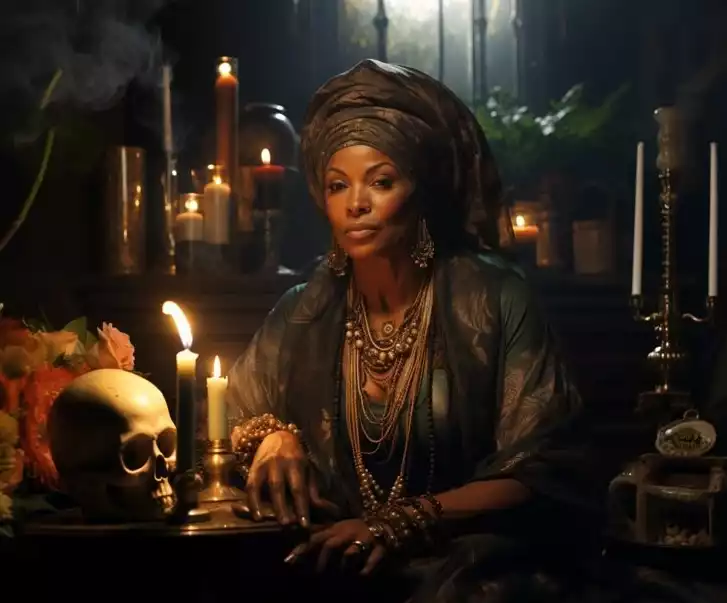
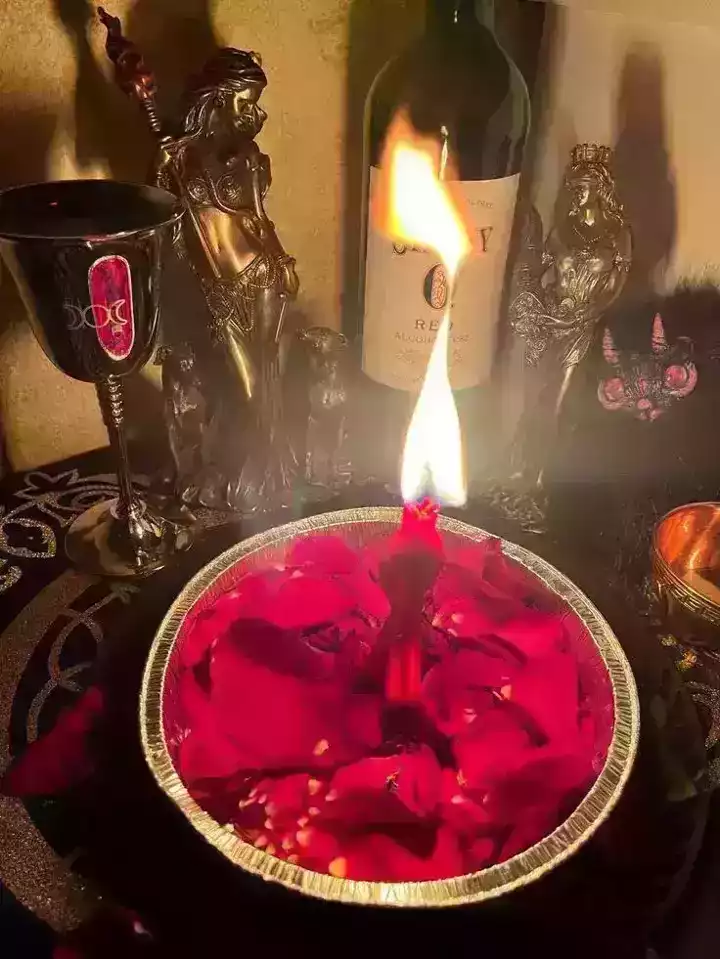
Comments
No comments yet. Be the first to share your thoughts!
Leave a Comment
Your email address won't be published. Comments are reviewed before being posted.